**NVIDIA** has established itself as the indispensable provider of the compute power that drives modern artificial intelligence. Their GPUs, particularly the H100 and subsequent Blackwell architectures, have become the standard for training and deploying the world's most advanced LLMs. At Otherworlds, we track the technical and strategic impact of NVIDIA's hardware and software ecosystem on the AI landscape.
We explore the nuances of the CUDA platform, which has created a massive competitive moat for NVIDIA by providing the software layer that allows developers to extract maximum performance from the silicon. Our analysis covers the evolution of Tensor Cores, the importance of high-bandwidth memory (HBM3e), and the development of specialized networking solutions like NVLink and InfiniBand that allow thousands of GPUs to work together as a single supercomputer.
For the enterprise, we look at the economics of NVIDIA compute, focusing on the choice between on-premise H100 clusters and cloud-based instances. We also discuss the impact of NVIDIA's specialized software stacks, such as TensorRT for inference optimization and the NVIDIA AI Enterprise suite. By monitoring the hardware roadmap and the supply chain dynamics of the GPU market, we provide our readers with the insights needed to plan their infrastructure investments in an era of unprecedented demand for compute.
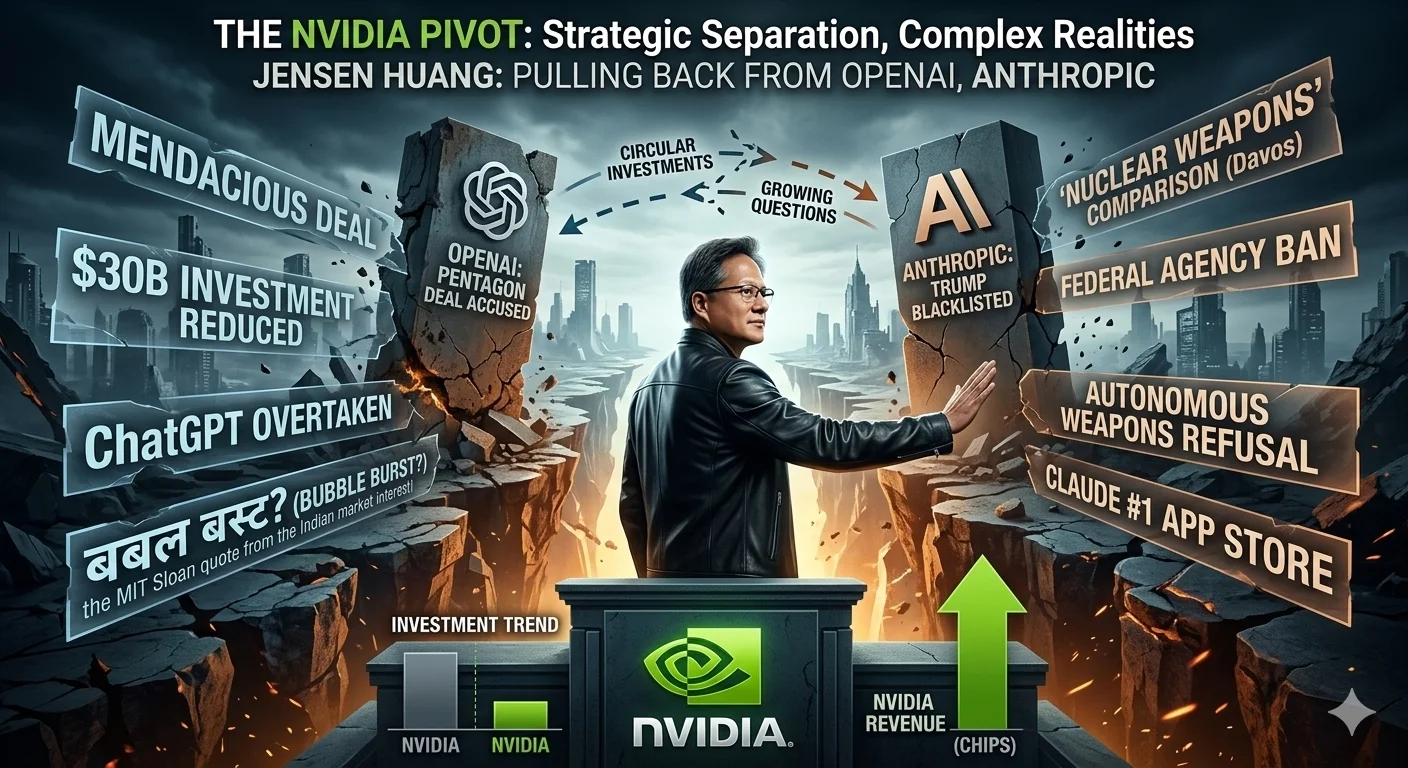
Nvidia’s Jensen Huang Says AI Demand Could Drive 70% Revenue Growth — Here’s Why He’s So Confident: Nvidia Could Reach $680 Billion in Revenue as AI...
The New AI Race: From Nvidia-Powered Logistics to Open-Source AI and the Fight Against AI Sameness. Artificial intelligence is moving beyond chatbots and i
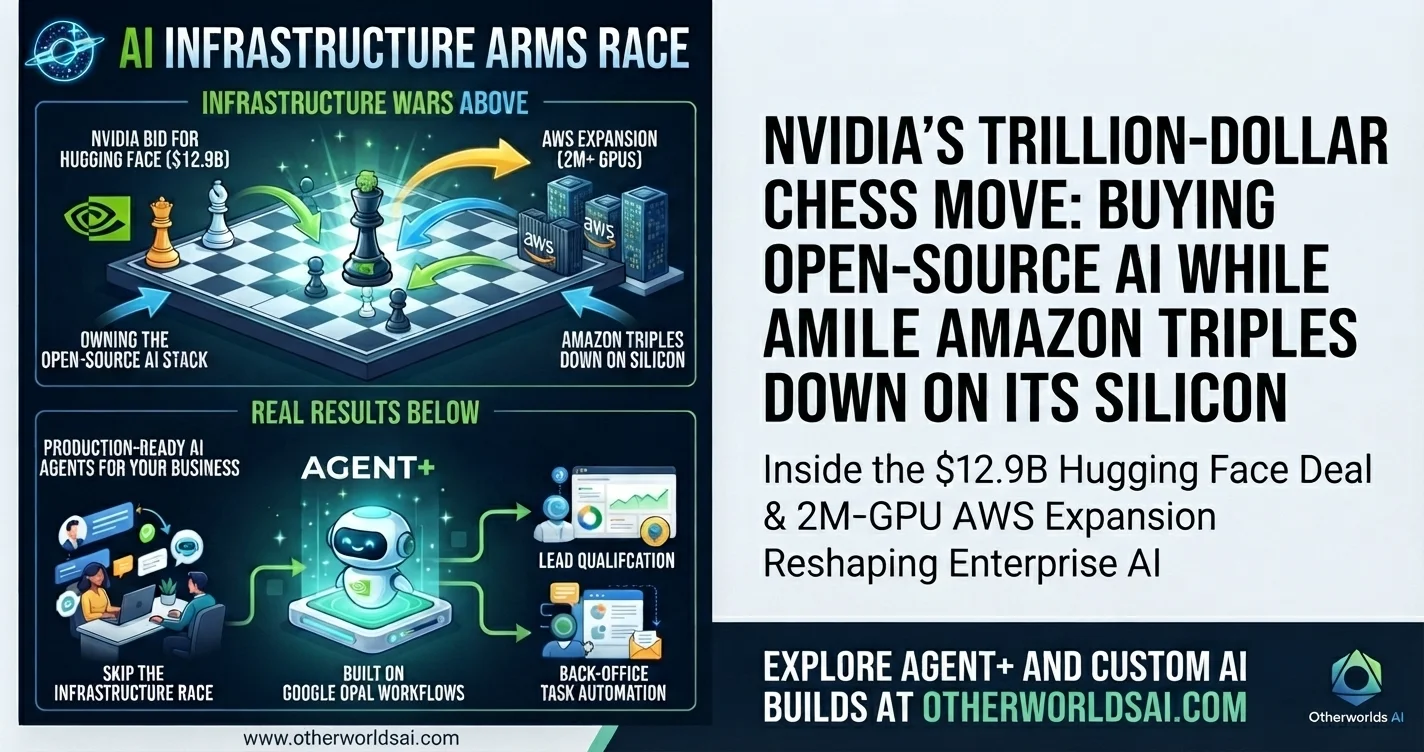
Nvidia's Shocking $12. 9B Play to Own the Open-Source AI Stack. Nvidia's Trillion-Dollar Chess Move: Buying Open-Source AI While Amazon Triples Down on Its
Inside the Battle Over Open-Weight AI: Why Silicon Valley Is Flipping the Safety Argument: Meta, Microsoft, Nvidia, IBM, and Others Back Open-Weight AI:...
AMD Challenges Nvidia's AI Empire — On Earth and on the Moon: Inside Helios, the $1. 4 trillion AI accelerator race, and why enterprise AI strategy can't...
Hot French Startup ZML Releases Free Inference Engine to Break Nvidia's Chip Lock-In: ZML/LLMD lets open-source LLMs run at peak speed across Nvidia, AMD,...
Why Wall Street Thinks US Memory Maker Micron Is the Next Nvidia: From $100 to $1,132 a Share in Under a Year — Inside the AI Memory Frenzy Reshaping Chip...
Groq Raises $650M: How AI Chipmakers Survive a Not-Acqui-Hire and What It Means for the AI Inference Market: When a tech giant buys your IP and poaches...
Beyond the Chat Window: How Odyssey's $1.45B World Model Is Rewriting What AI Can Do: From Video Games to Robotics: How 'World Models' Will Reshape Your...
Nvidia Chases the $200B CPU Market: The Rise of RTX Spark AI Agent PCs: Nvidia Just Unveiled a 1-Petaflop "Superchip" to Replace the Traditional PC CPU:...
Groq Eyes $650M Raise After Nvidia's $20B Not-Acqui-Hire: What It Means for the AI Inference Wars: Forget the Chips: Why Groq’s $650M Capital Raise is All...
The Trump-Xi Summit Couldn’t Fix It: Inside the Permanent Freeze on Nvidia's H200: Nvidia's $200 Billion Secret Weapon and the China Chip Freeze: The AI...
Nvidia's $200B Agentic AI Revolution: How Jensen Huang Is Reshaping the Future of Computing: Meet Vera: Nvidia’s Brand-New CPU Built Entirely for Agentic...
Meet IrisGo: The Andrew Ng-Backed AI Desktop Companion That Automates Your Work Before You Ask: Backed by Andrew Ng's AI Fund, Nvidia, and Google, IrisGo...
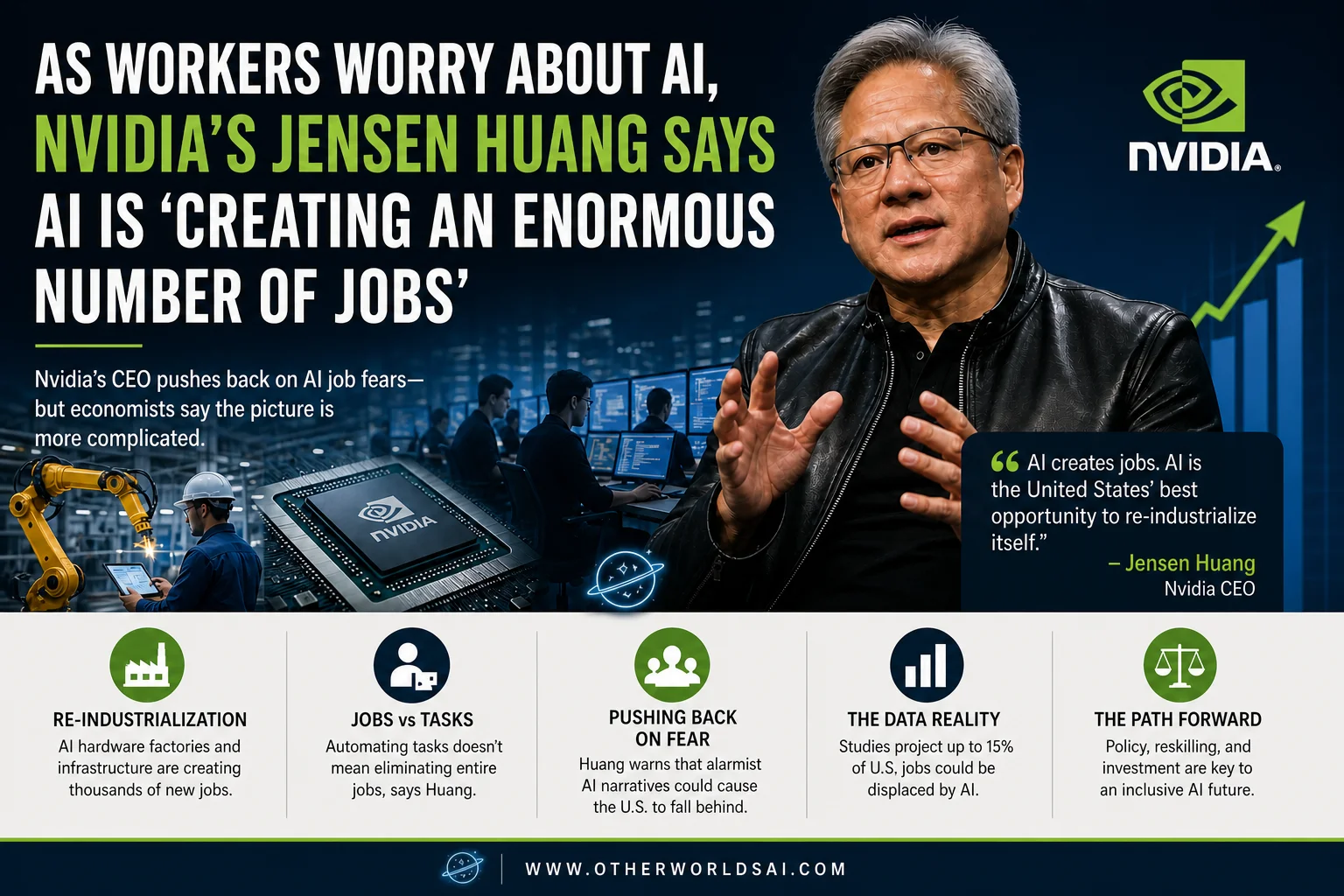
As workers worry about AI, Nvidia’s Jensen Huang says AI is ‘creating an enormous number of jobs: Jensen Huang Says AI Creates Jobs—But Economists Warn of...
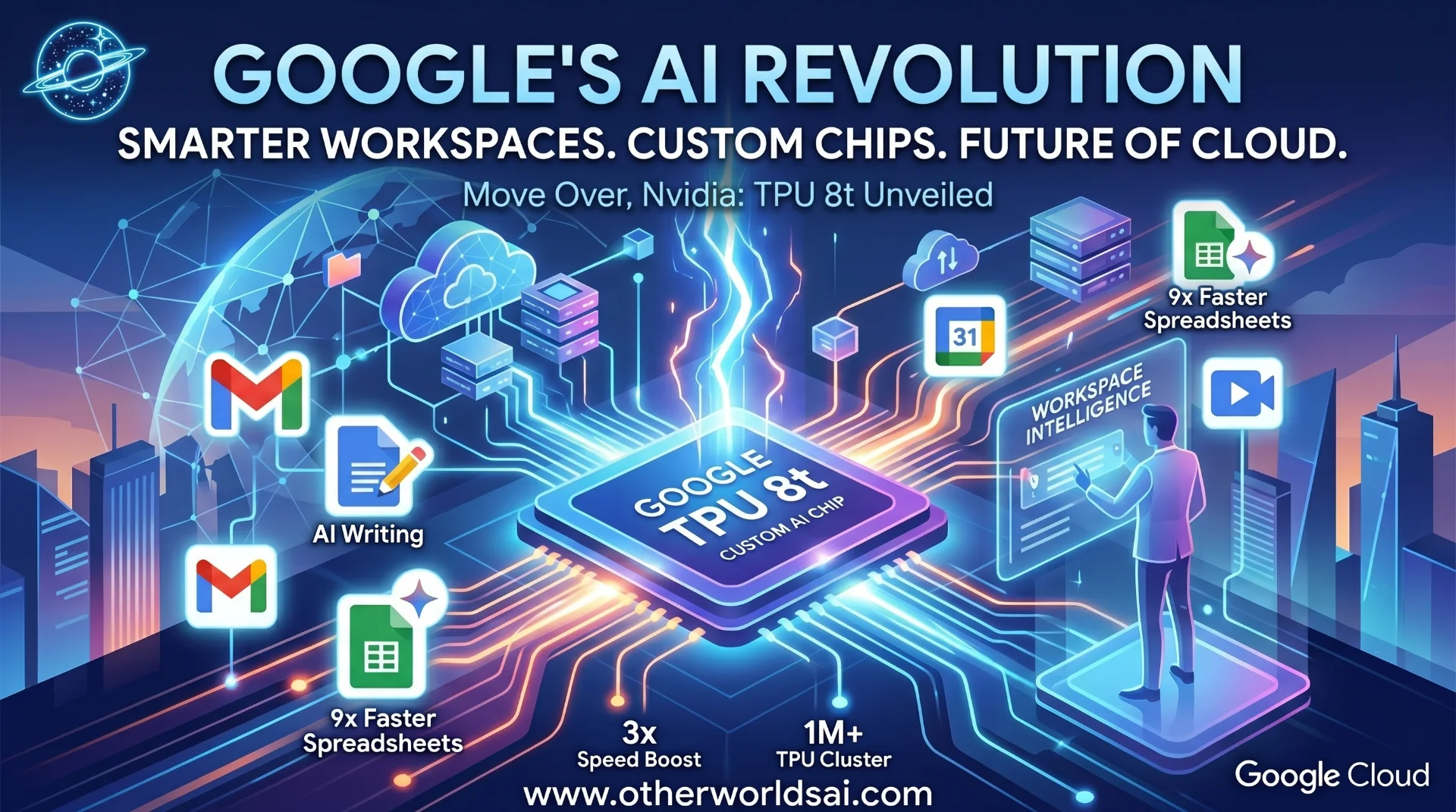
Google's AI Revolution: Smarter Workspaces, Custom Chips, and the Future of Cloud Computing: Move Over, Nvidia: Google Unveils TPU 8t Chips with a Massive...
Fei-Fei Li's World Labs just closed a $1B round at a $5B valuation. With the release of Spark 2.0, the 'spatial intelligence' race is officially leaving the screen and entering the physical world.
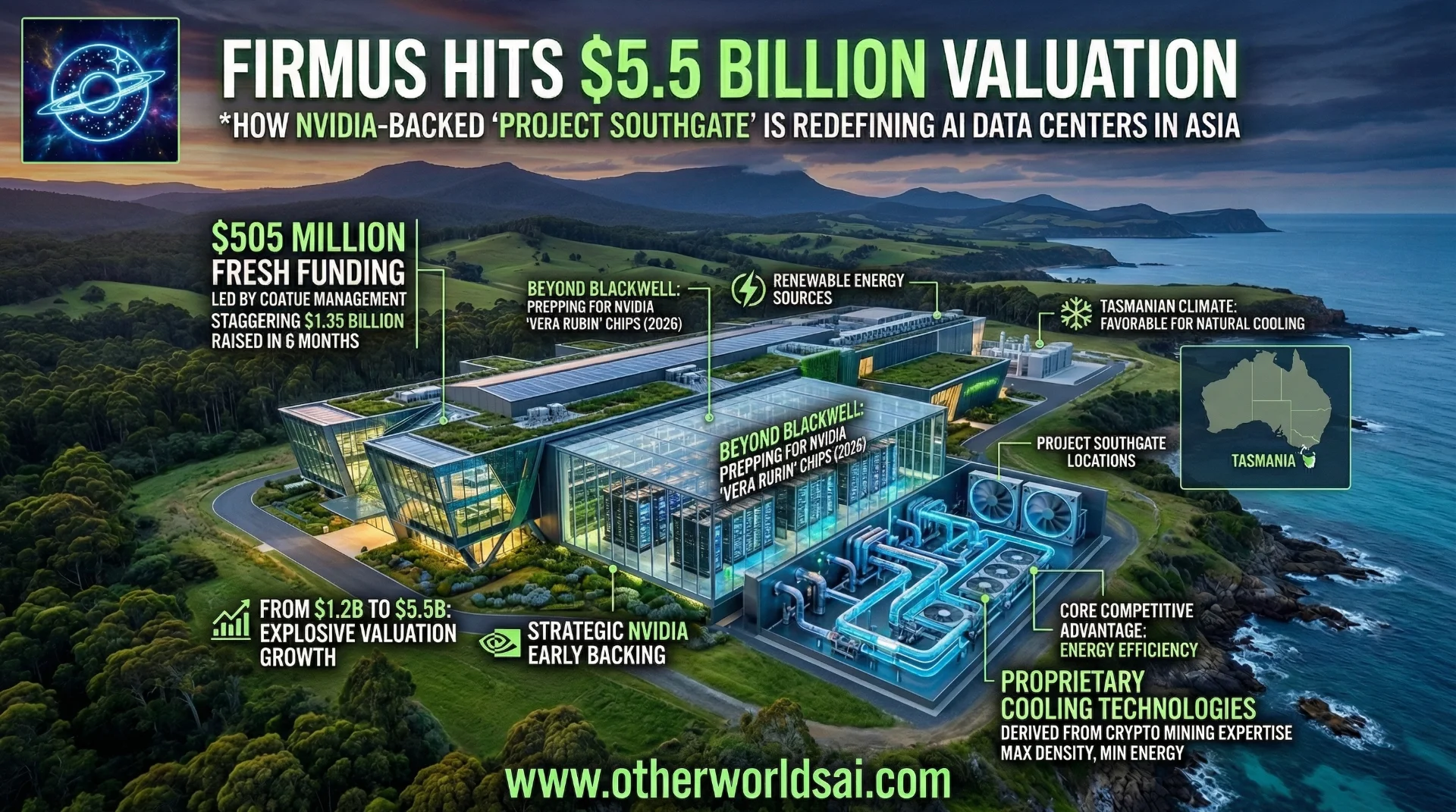
Firmus Hits $5. 5 Billion Valuation: How Nvidia-Backed 'Project Southgate' Is Redefining AI Data Centers in Asia: Beyond Blackwell: The secret project in...
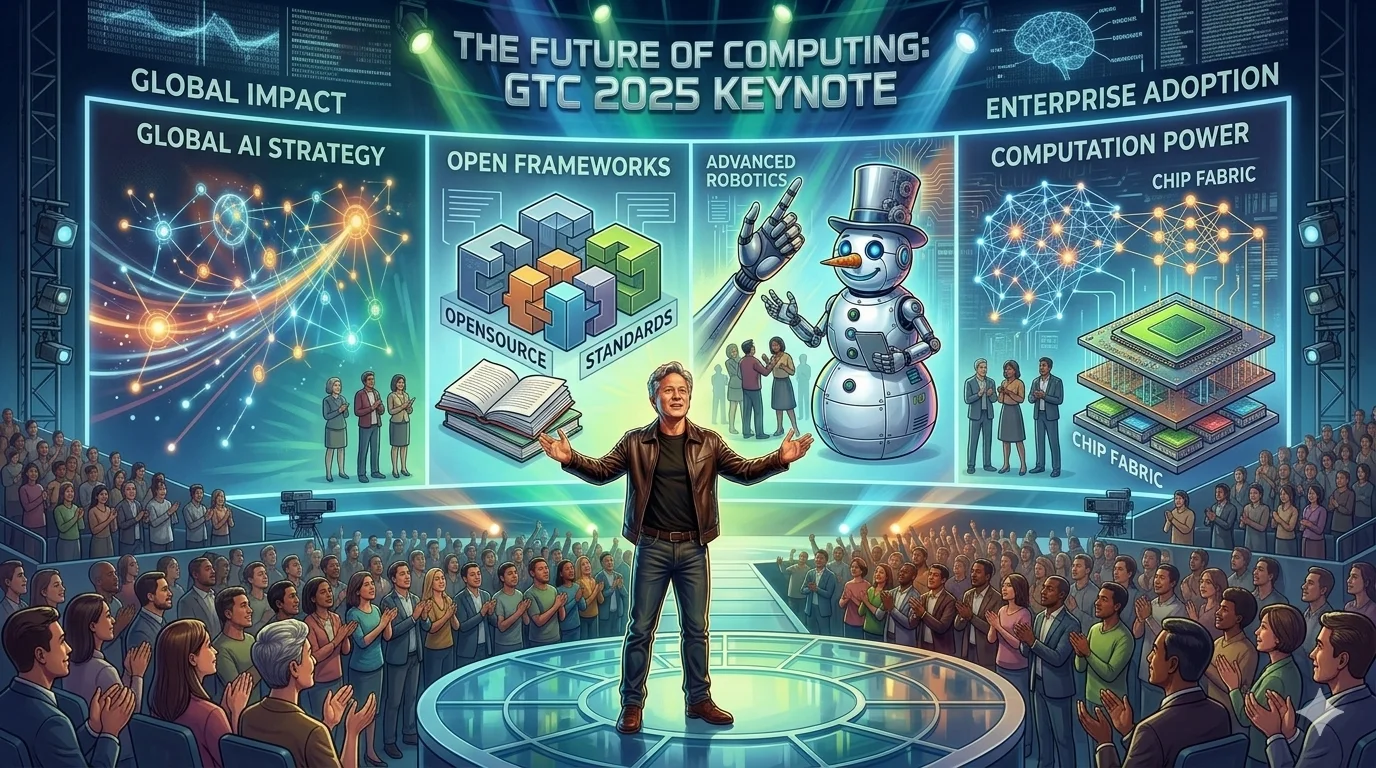
NVIDIA GTC 2025: Jensen Huang's Keynote, OpenClaw AI Strategy, and the Viral Olaf Robot That Stole the Show — And Lost Its Mic Nvidia’s Viral Olaf Moment:...
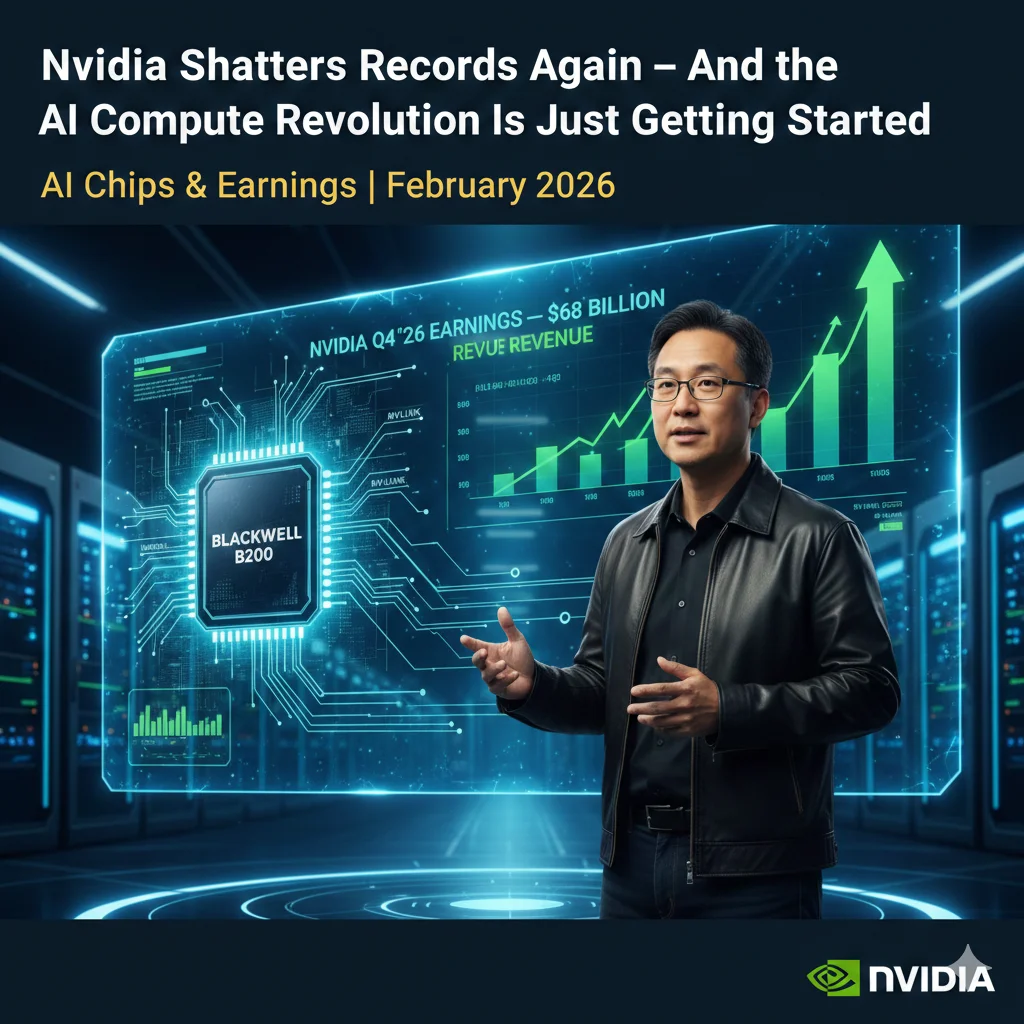
$215 Billion in One Year: How Nvidia Became the Indispensable Mint of the AI Era: Nvidia Shatters Records Again — And the AI Compute Revolution Is Just...
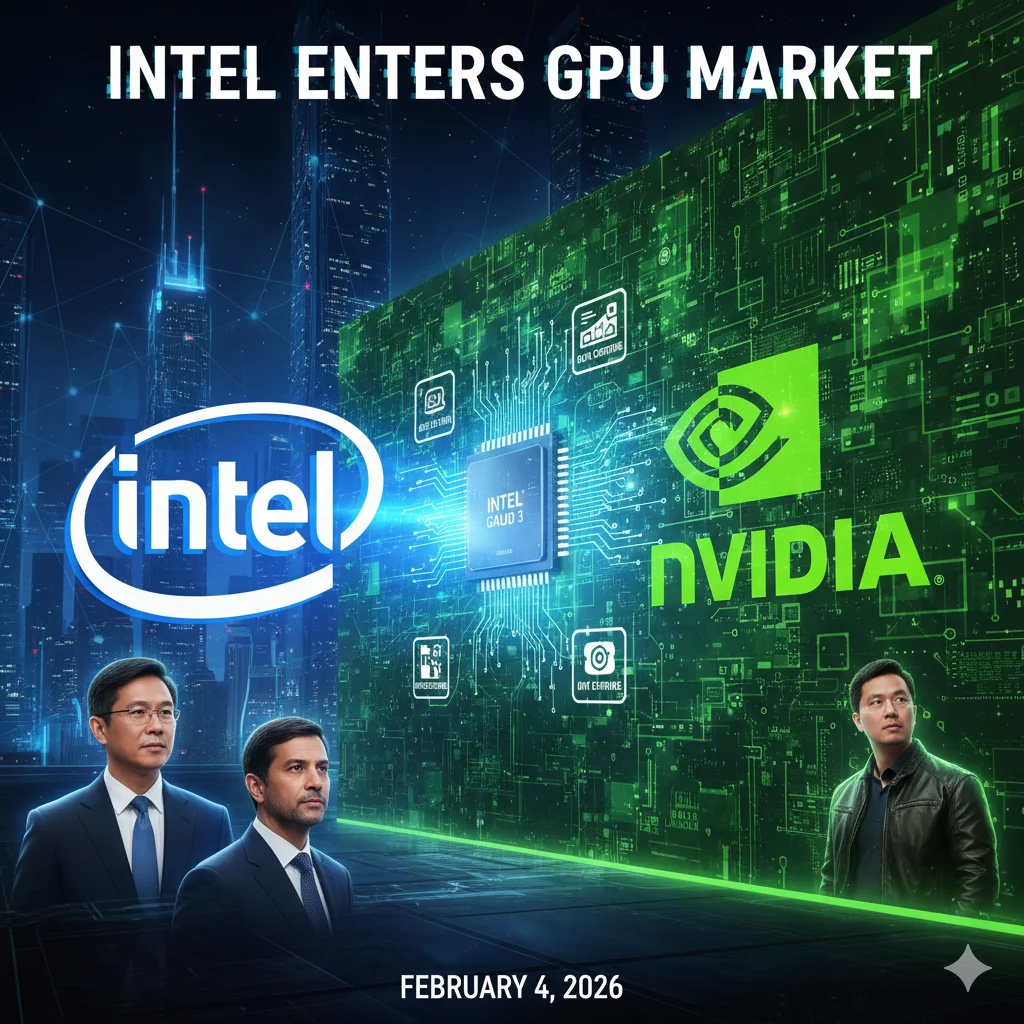
Intel Enters the GPU Market, Taking on Nvidia’s AI Chip Dominance: Intel, one of the world’s most recognizable semiconductor giants, is preparing to enter...