
Notion Embraces MCP: How the New Developer Platform Connects to Claude Code and Cursor:
Notion Just Turned Its Workspace Into a Hub for AI Agents — and It Changes Everything With its new Developer Platform, Notion is no longer just a note-taking app.
It's becoming programmable infrastructure for the agentic AI era.
The Shift: Notion Enters the Agentic AI Era:
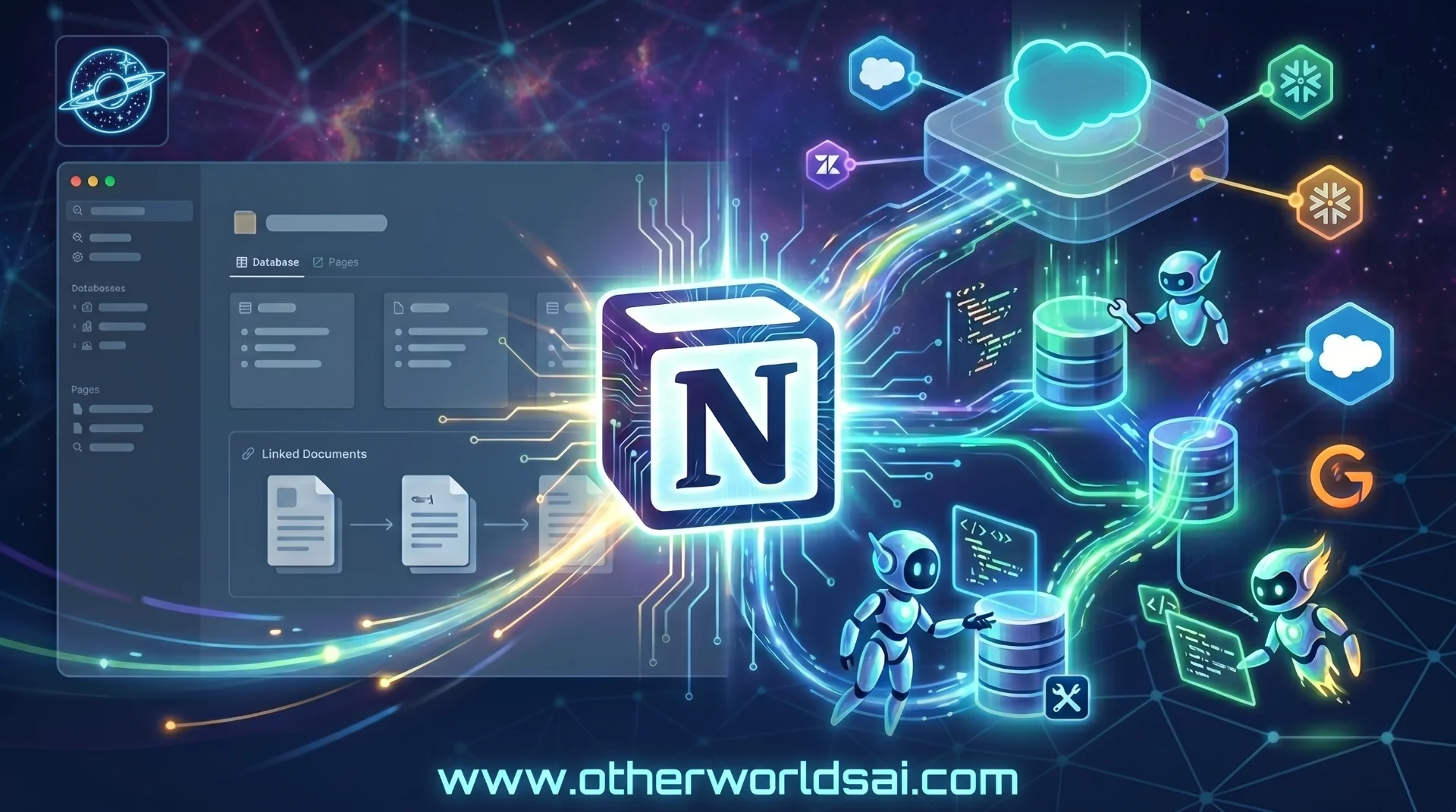
For years, Notion has been the go-to workspace for teams that think in pages, databases, and linked documents. But on Wednesday, the company known best for its collaborative note-taking app made a move that signals a much larger ambition. In a livestreamed product announcement, Notion unveiled its new Developer Platform — a full orchestration layer that connects AI agents, runs custom code, syncs live data from any source, and integrates with the external tools teams already use.
This is not an incremental update. By building infrastructure that coordinates AI work across multiple tools and data sources, Notion is repositioning itself as core enterprise infrastructure for the age of AI agents — not just a productivity app with AI features bolted on. The company that once competed with Google Docs and Confluence is now setting its sights on workflow automation platforms, internal developer tools, and the emerging market for agentic enterprise software.
"Any data, any tool, any agent — that's the big picture for the Notion Developer Platform." — Ivan Zhao, Co-founder & CEO, Notion
The Foundation: One Million Custom Agents and Counting:
To understand where Notion is going, it helps to understand where it has already been. In February, Notion launched its Custom Agents — AI teammates designed to handle repetitive, time-consuming tasks: answering frequently asked questions, compiling status updates, routing requests, and automating defined workflows. The response was immediate.
Notion customers have since built over 1 million custom agents, a figure that speaks to the pent-up demand for accessible, no-code AI automation inside the tools teams already live in.
But those early agents had real limitations that frustrated power users and developers alike. They couldn't connect with external data sources. They couldn't execute custom logic. And external AI agents that companies had built or deployed elsewhere had no way to interface with the Notion workspace. Teams found themselves maintaining fragile workarounds — third-party automation platforms, hand-written scripts running on private infrastructure — to bridge the gaps. The Developer Platform is Notion's answer to all of it.
Notion Workers: Custom Code, Cloud-Native and Secure:
The centrepiece of the Developer Platform is Notion Workers — a cloud-based environment for running custom code directly within the Notion ecosystem. Workers allow teams to write their own logic and deploy it to a secure sandbox: an isolated execution environment that prevents code from interfering with other systems.
The implications are significant. Teams can now sync external data into Notion, build entirely custom tools, and trigger automated actions via webhooks — automated signals that fire when something happens in another application — all without managing external infrastructure.
And if writing code isn't your team's strength, that's no longer a barrier. Notion notes that your preferred AI coding agent — tools like Claude Code, Cursor, or Codex — can write the Workers code for you. This creates a compelling feedback loop: AI agents can now build the infrastructure that other AI agents run on, all within a single Notion workspace. On pricing, Notion is making this accessible from the start.
Workers use the same credit system as Custom Agents, but the company is offering them free through August 2026 to give developers time to experiment, build, and provide feedback before any cost structures are introduced.
Database Sync: Turning Notion Into a Live Data Canvas:
One of the most immediately practical additions in the Developer Platform is database sync — and its potential reach is substantial. Powered by Workers, the feature can pull in live data from any database or service with an API: Salesforce, Zendesk, PostgreSQL, and effectively any other platform that exposes data programmatically. That data then lives inside your Notion databases, stays current, and becomes available to your workflows and agents.
Ivan Zhao framed this capability in terms that will resonate with anyone who has ever struggled to unify data scattered across enterprise tools. "You can now use your Notion database as a sheer canvas to power both your workflows and your agents," Zhao said. For organisations running complex operations across multiple SaaS platforms, the ability to centralise live operational data in Notion without ETL pipelines or custom integrations is a genuinely meaningful reduction in technical overhead.
"You can now use your Notion database as a sheer canvas to power both your workflows and your agents." — Ivan Zhao, Notion CEO
MCP and Beyond: Connecting the Agent Ecosystem:
The Developer Platform also makes Notion a participant in the emerging standard for AI tool connectivity. Workers can build agent tools with custom logic for situations where connecting via MCP — Model Context Protocol — isn't sufficient. MCP is the fast-emerging open standard that lets AI tools connect to external data and services in a standardised way, and Notion's support for it positions the platform to interoperate with the growing ecosystem of MCP-compatible AI tools and agents.
For teams that need deeper, more bespoke integrations, Workers provide the escape hatch. Custom logic that can't be expressed through a standard protocol can be written directly as a Worker, giving developers full flexibility without sacrificing the security and scalability benefits of Notion's managed infrastructure.
External Agent Integration: Claude Code, Cursor, Codex, and More:
Perhaps the most forward-looking feature in the Developer Platform is the ability to chat with, assign work to, and track the progress of external AI agents — directly within Notion. At launch, the platform supports Claude Code, Cursor, Codex, and Decagon as partner agents, with more integrations planned. From a user perspective, these external agents can be interacted with as if they were native Notion Custom Agents — a unified experience that removes the context-switching that currently plagues multi-agent workflows.
For organisations that have built their own internal agents — tailored to specific company processes, data, or systems — Notion is providing an External Agent API that allows those bespoke tools to connect with the Notion workspace. This means a company's proprietary AI tools can read from, write to, and act on Notion data, opening up possibilities for deeply integrated intelligent automation that was simply not achievable before.
The Notion CLI ties it all together, giving developers a command-line interface to interact with the Developer Platform. It is available on Notion's Business and Enterprise plans, placing it squarely in the hands of the organisations most likely to invest in building internal AI infrastructure.
What This Means for the Future of Knowledge Work:
The Notion Developer Platform is a strategic statement about where enterprise software is heading. The timing aligns with a broader shift across the enterprise software landscape. AI companies are moving beyond the chatbot interface toward agentic tools that can take autonomous, multi-step actions across different software platforms.
Notion — with its combination of structured databases, unstructured documents, team workflows, and now live data sync and agent coordination — is well positioned to be the workspace layer where that agentic activity gets organised, tracked, and managed.
For knowledge workers and the teams that support them, the practical question is straightforward: if AI agents are going to handle more and more of the operational work of an organisation, where will humans go to see what those agents are doing, redirect their efforts, and connect their outputs to decisions? Notion is betting the answer is its platform.
Key Takeaways: Notion Developer Platform at a Glance:
• 1 million+ Custom Agents already built by Notion customers since February — demonstrating massive demand for in-workspace AI automation.
• Notion Workers let teams write and deploy custom code in a secure cloud sandbox — no external infrastructure required.
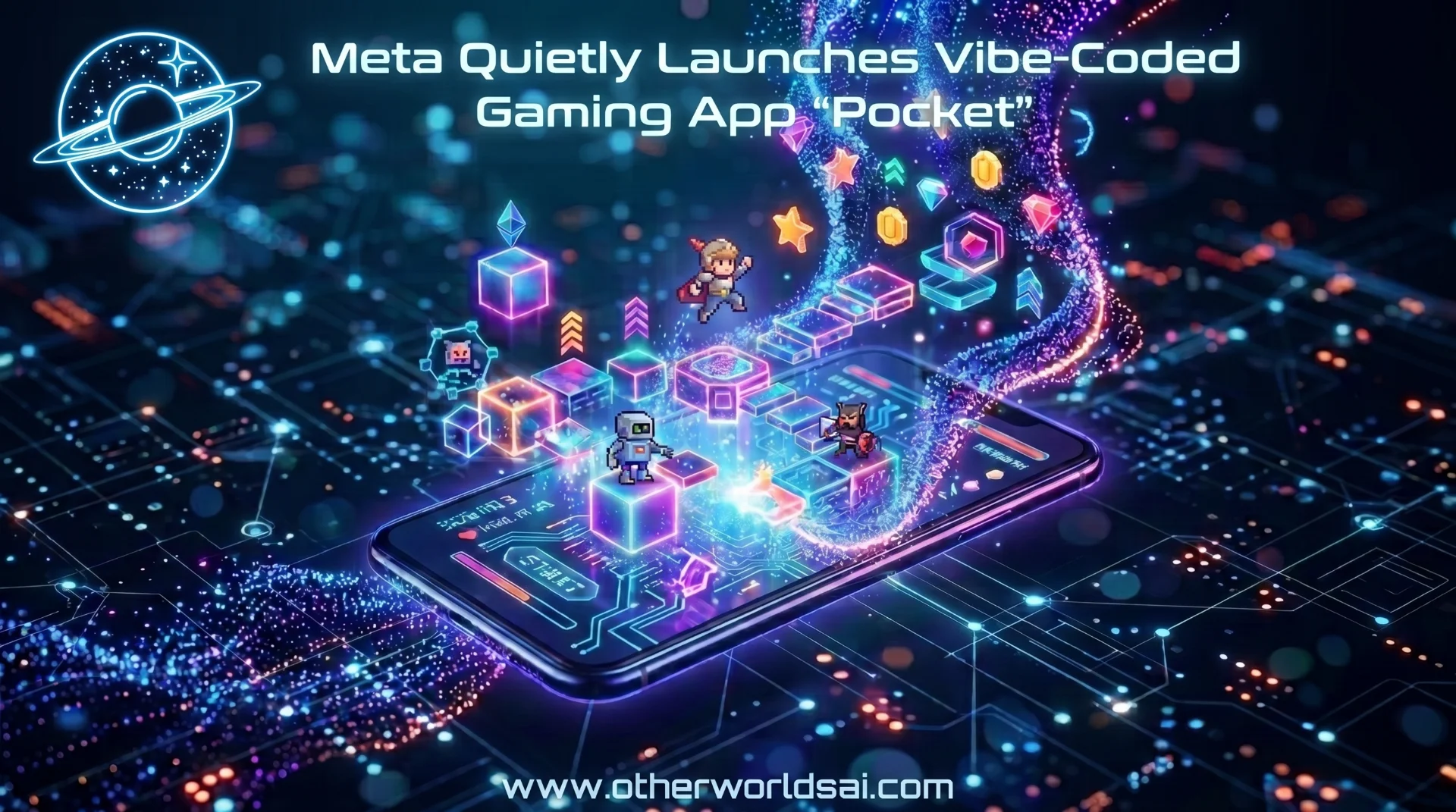
Meta's Next Big Bet: This New App Lets You Build Games Simply by Typing a Prompt
• Database Sync pulls live data from Salesforce, Zendesk, PostgreSQL, and any API-accessible source directly into Notion databases.
Support our research
Independent analysis fueled by you.
• MCP Support connects Notion with the growing ecosystem of Model Context Protocol-compatible AI tools and services.
• External Agent Integration supports Claude Code, Cursor, Codex, and Decagon at launch, with more partners coming.
• External Agent API allows companies to connect their own proprietary internal agents to the Notion workspace.
Move Over Nvidia: Anthropic and Samsung Team Up to Break the AI Chip Monopoly
• Free through August 2026 — Workers are available at no cost during the experimental phase for Business and Enterprise customers.
The Bottom Line: From App to Infrastructure:
Notion's Developer Platform marks the moment the company stopped being just a productivity app and started becoming programmable enterprise infrastructure. By combining custom code execution, live data sync, MCP connectivity, and native agent coordination in a single platform, Notion is making a credible case that the workspace of the future is not just where humans write documents — it's where humans and AI agents collaborate on work together.
For developers, the opportunity to build on top of Notion's data and workflow layer — for free, through August — is worth exploring now.
For business leaders evaluating their AI infrastructure strategy, Notion's evolution is a reminder that the platforms already embedded in your organisation's daily workflows may be best positioned to become the connective tissue of your agentic future.
Published May 14, 2026 | AI Productivity | Workflow Automation | 9 min read