
Anthropic Gives Claude's Voice Mode a Brain Upgrade:
Opus and Sonnet come to voice, app connectors get smarter, and the AI voice race with OpenAI heats up.
Anthropic vs. OpenAI: The Voice Assistant War Moves From Talking to Doing.
3: Voice-mode models: Haiku, Sonnet, and Opus
5: Connected apps: Gmail, Calendar, Docs, Slack, Canva/Notion
10+: Languages supported for voice conversations
1: Claude's Voice Mode Finally Gets Its Smartest Models:
Weeks after OpenAI rolled out a new family of conversational models and updated ChatGPT's voice mode, Anthropic is answering back with an upgrade that changes what Claude's voice mode can actually do.
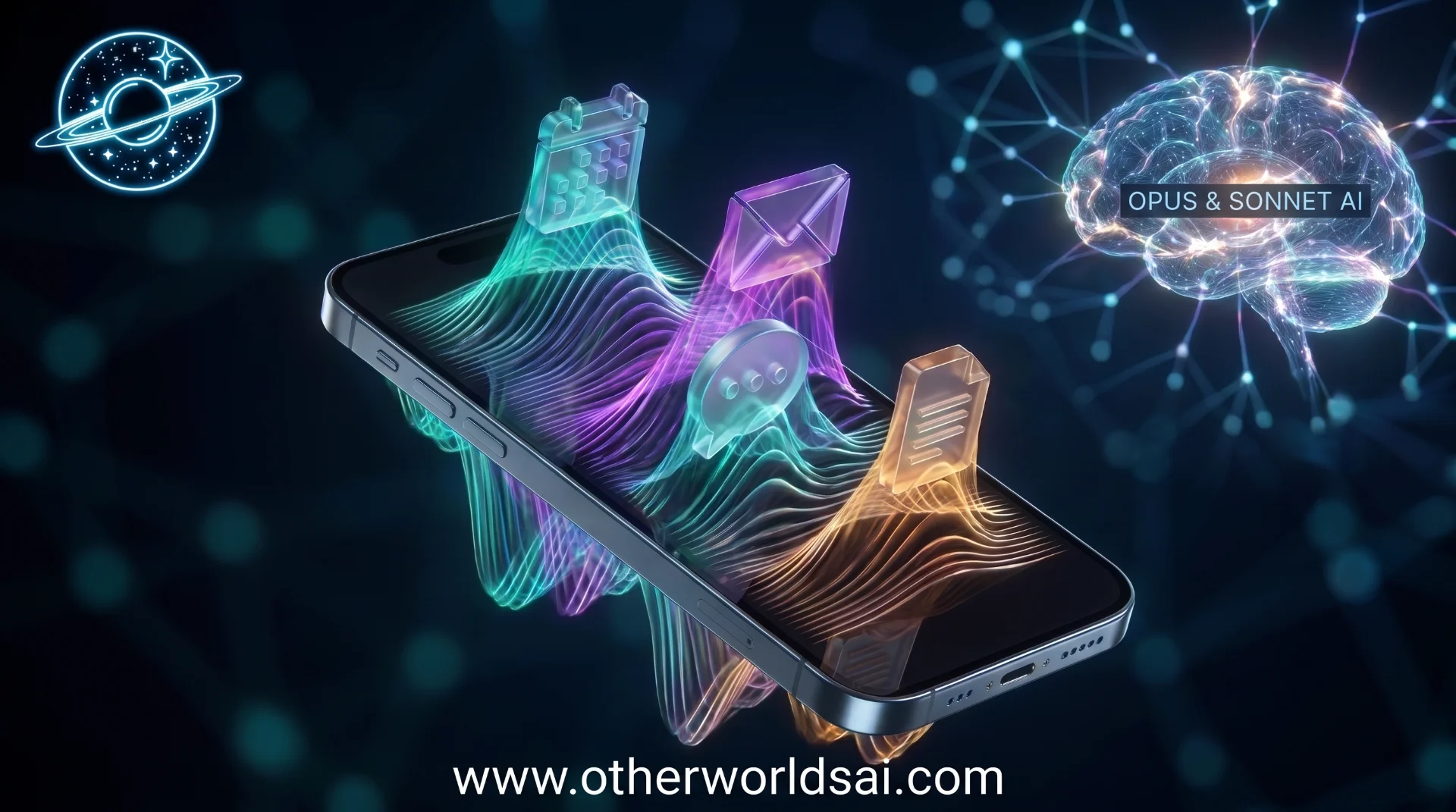
Anthropic announced Thursday that users can now choose between Opus, Sonnet, and Haiku models inside voice mode. That's a meaningful shift: since its release last year, Claude's voice mode ran exclusively on Haiku, which delivered fast responses but wasn't built for complex reasoning.
With the update, voice mode now defaults to the fastest version of whichever model a person last used in text chat, so a conversation started in Opus or Sonnet carries that same intelligence into a spoken exchange instead of dropping down to the lightweight model.
Anthropic says the change is meant to support longer, more substantive conversations — things like getting feedback on communication style, talking through a client pitch, or brainstorming product market research out loud, rather than the quick-question use cases voice mode was previously limited to.
2: The Real Differentiator: Voice Mode That Can Actually Do Things:
The more important upgrade may not be which model answers,but what it's allowed to touch. Claude's voice mode can tap into connected apps including Gmail, Google Calendar, Slack, Canva, and Notion, letting users ask it to reschedule a meeting, draft an email, or create a document by voice alone. That's a notable contrast with OpenAI's voice mode, which Anthropic and outside reporting both note has focused on improving conversational style and naturalness without giving the assistant the ability to take action across a user's other tools.
Claude's new voice model will let you reschedule your meeting or draft an email — a capability gap that separates Anthropic's tool-connected approach from voice assistants built primarily for more natural conversation.
It's a pattern that's shown up elsewhere in Anthropic's roadmap, too: the company brought a similar voice interface to Claude Code, its AI coding assistant, letting developers issue spoken commands like "refactor the authentication middleware" instead of typing them out — reinforcing that Anthropic sees voice as an input method for getting real work done, not just a chat novelty.
3: Multilingual Support, Hands-Free Mode, and What's Still Missing:
Voice mode has been quietly expanding beyond English for months, and the new update builds on that groundwork.
● Earlier this year, Anthropic added multilingual support to voice mode in beta, initially covering English, French, German, Hindi, Indonesian, Italian, Japanese, Korean, Portuguese (Brazilian), and Spanish (Latin America/Spain), with users needing to manually specify their language.

Anthropic's Claude Mythos 5 Restored for 100+ U.S. Orgs After Unprecedented Ban
● Anthropic's Help Center notes voice mode is now available in many more languages across Claude's mobile, desktop, and web apps, though non-English support remains in beta and must be set under Settings, since changing the app's display language doesn't change the voice language automatically.
Support our research
Independent analysis fueled by you.
● The interface supports both a hands-free mode, which listens for natural pauses before responding, and a push-to-talk option for noisier environments — and users can switch between text and voice mid-conversation without losing context.
● The new voice mode is rolling out to all users in beta across platforms, but free-tier users are limited to the Haiku model with only one connected app, while paid plans get full access to Opus, Sonnet, and the broader connector lineup.
One thing Anthropic didn't touch in this release: the underlying voice model itself. The company hasn't detailed what voice stack powers Claude, and unlike OpenAI's release, this update doesn't appear to bring conversational refinements like improved interruption handling — Claude's voice mode still follows a turn-based design where it listens, pauses, and then responds, rather than processing speech and generating audio simultaneously the way some newer voice-native systems do.
4: Why This Matters Beyond the Consumer Voice Race:
The Anthropic-OpenAI voice competition is really a preview of where all AI interfaces are headed: less typing, more doing.
The most important signal in this update isn't the model picker — it's the confirmation that voice interfaces are becoming a legitimate way to complete real tasks across real tools, not just a novelty for quick questions. As that expectation spreads from consumer chat apps to workplace software, businesses that can't yet connect their own AI tools to email, calendars, and documents the way Claude now does risk falling behind on how their teams expect to work.
Your Business Doesn't Need to Wait for the AI Voice Race:
Anthropic and OpenAI are racing to make consumer voice assistants smarter and more useful for everyday tasks. But enterprises need more than a voice interface that can draft an email — they need AI that's connected to their actual business systems and can act on their behalf, every time, reliably.
Otherworlds AI's Agent+ Business AI Platform brings that same tool-calling, multi-app intelligence to your operations, and our custom enterprise AI builds can extend it to whatever voice, chat, or workflow interface your team already uses.
Explore Agent+ at otherworldsai.com