
AI-Powered Robotics Takes Center Stage:
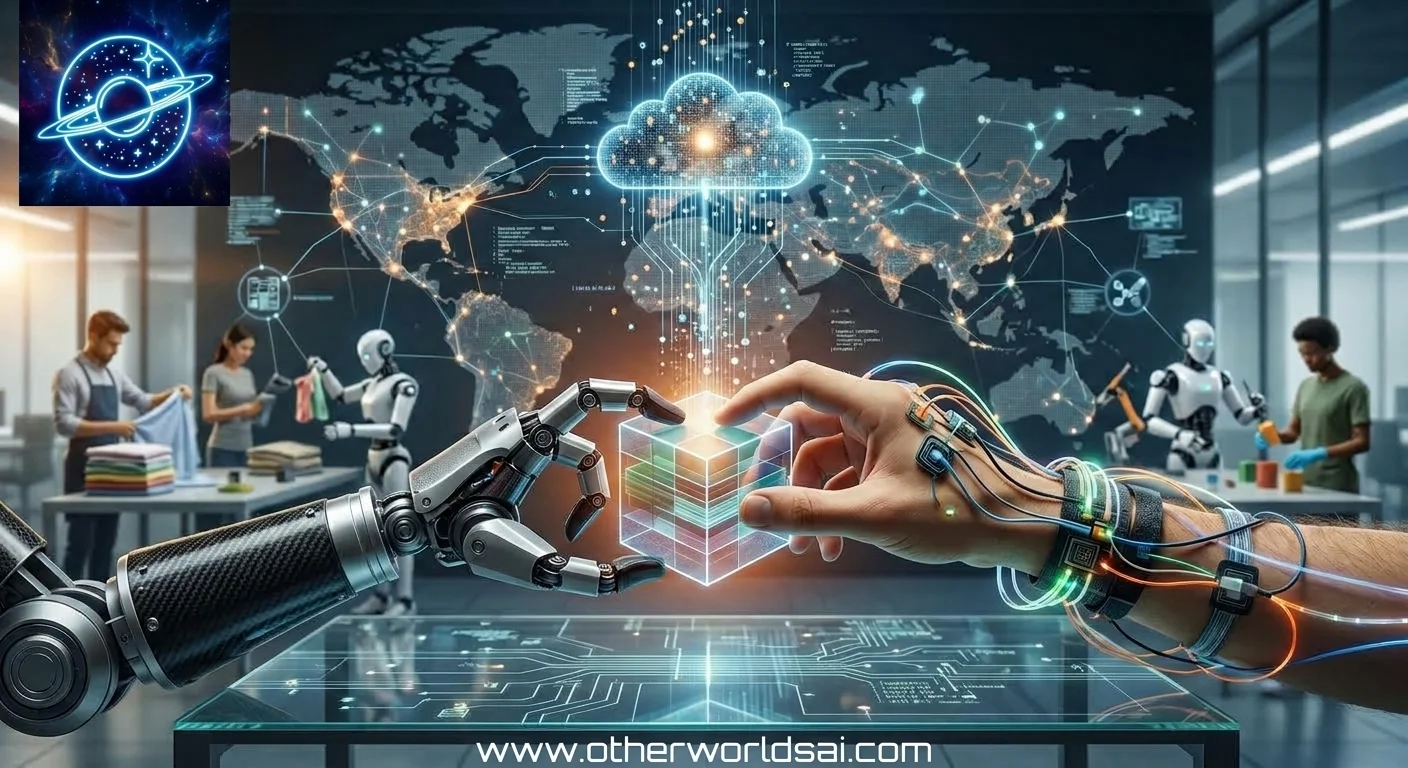
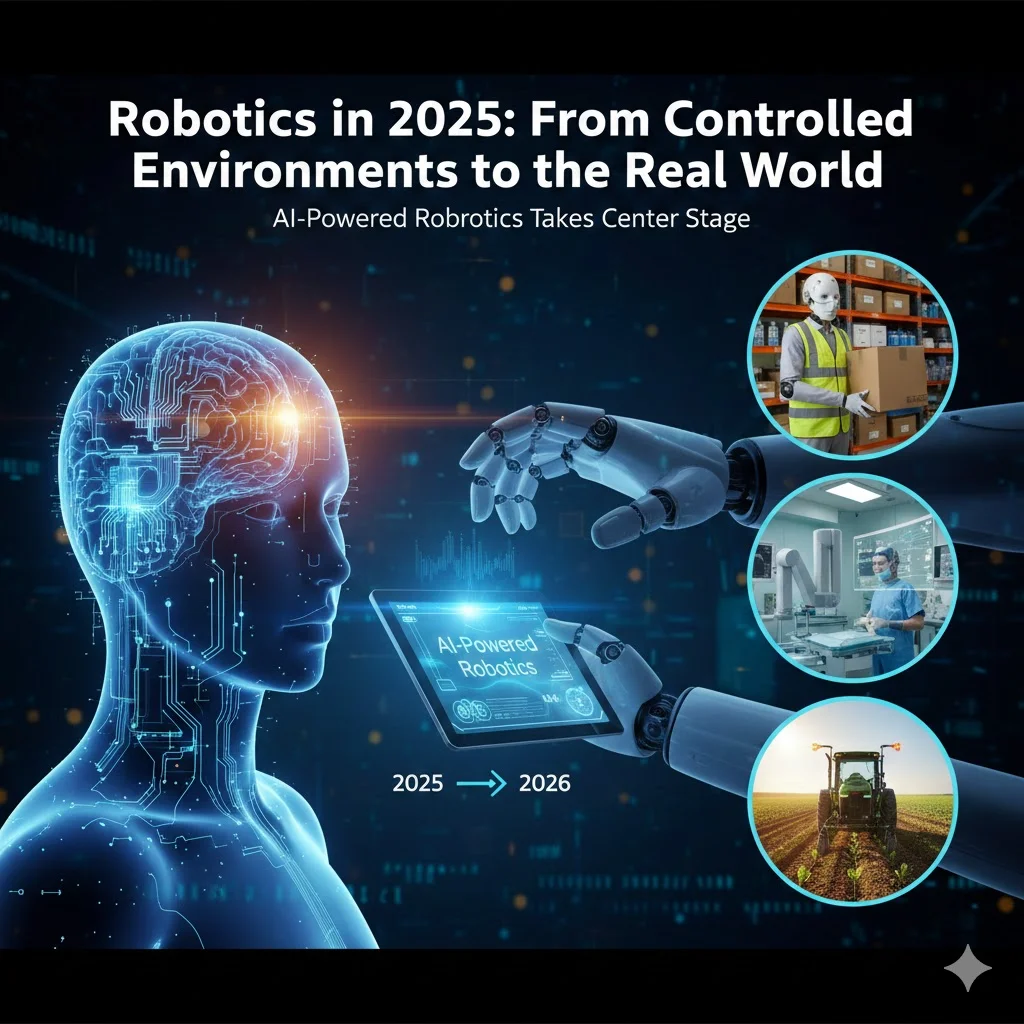
One of the most important developments of 2025 was the deep integration of artificial intelligence into physical robotics. Robots are no longer limited to pre-programmed motions or narrow tasks. With advances in AI perception, reasoning, and decision-making, robots in 2025 began to understand their environments and adapt in real time.
This shift enabled robots to perform multi-step tasks, learn from experience, and operate safely alongside humans. Warehouses, factories, and research labs witnessed robots that could recognize objects, interpret spoken instructions, and modify actions without human intervention. For businesses, this meant higher productivity and reduced operational friction. For investors, it signaled a move toward scalable, software-driven robotics platforms.
Humanoid Robots Gain Commercial Momentum:
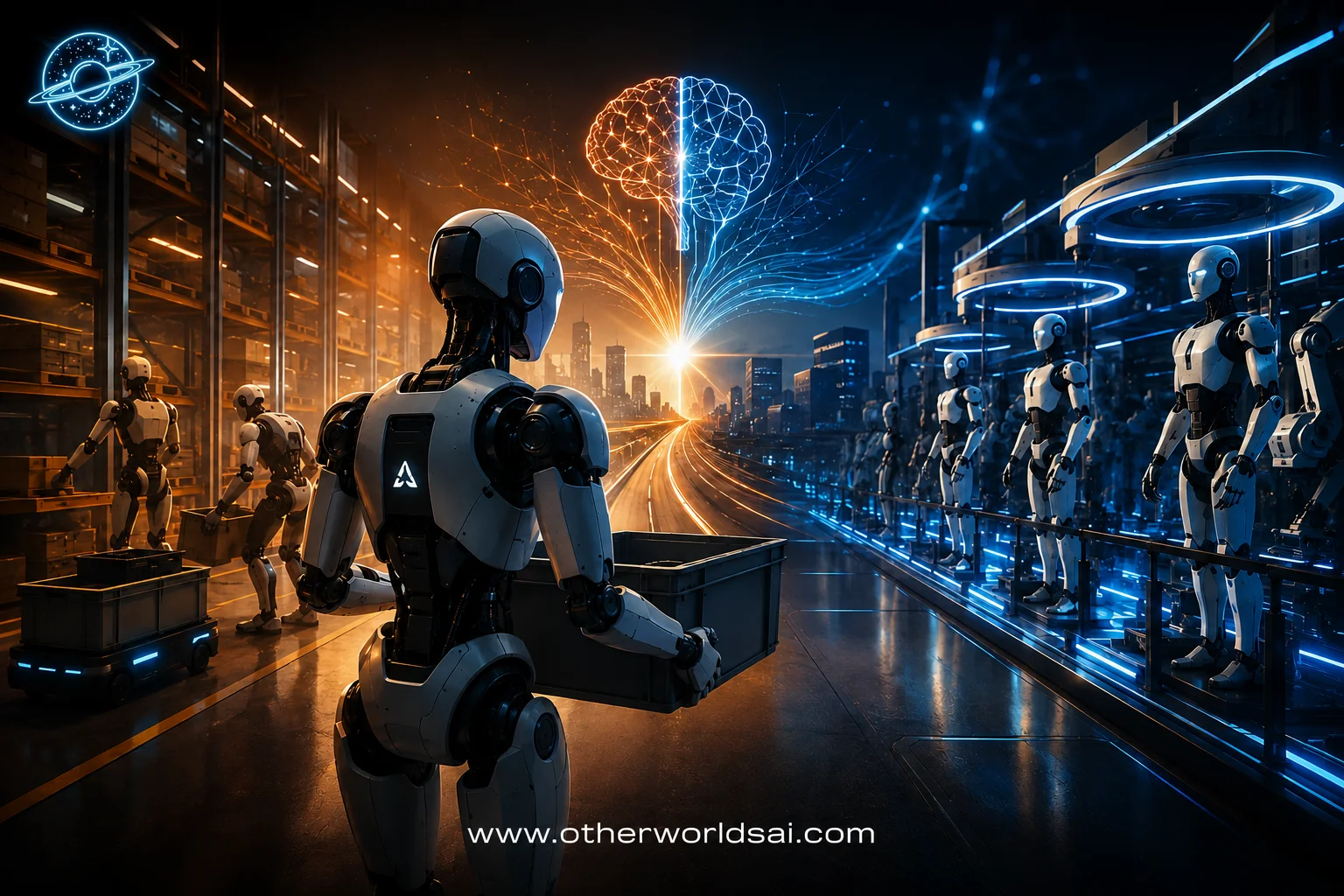
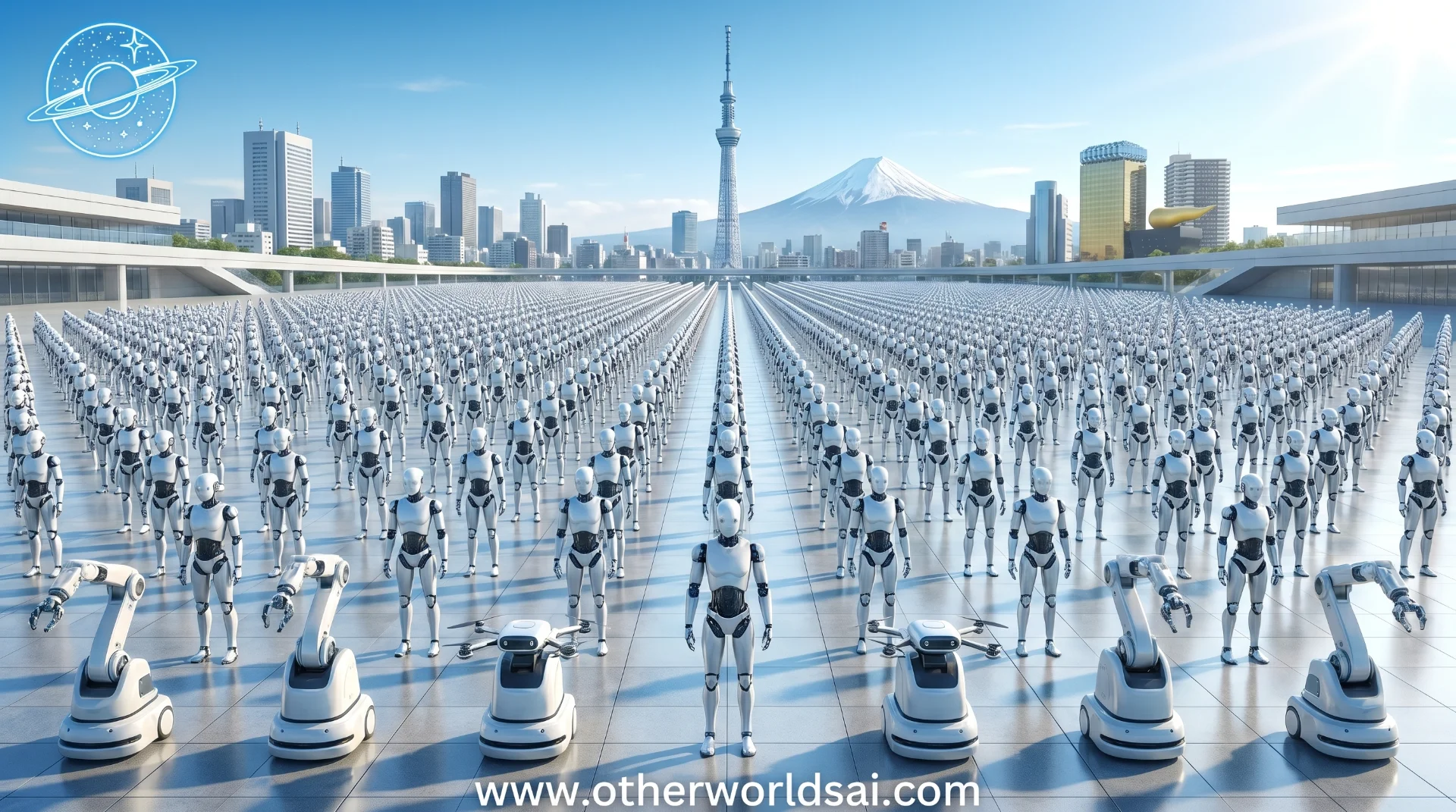
Humanoid robotics moved beyond demonstration videos and into early commercial deployment in 2025. These robots, designed to operate in human-built environments, attracted major funding and enterprise interest. While still in early stages, humanoids began assisting in logistics, manufacturing support roles, and controlled service environments.
Industry leaders recognized their long-term value: humanoid robots can work in existing infrastructure without expensive redesigns. Investors took note as well, as funding rounds and strategic partnerships highlighted confidence in humanoid platforms as a future labor solution.
Robotics Expands Across Key Industries:
In 2025, robotics adoption broadened significantly:
-
Logistics and supply chains used mobile robots and robotic arms to address labor shortages and meet growing e-commerce demand.
-
Healthcare benefited from surgical robots, rehabilitation systems, and hospital logistics robots that reduced staff workload.
-
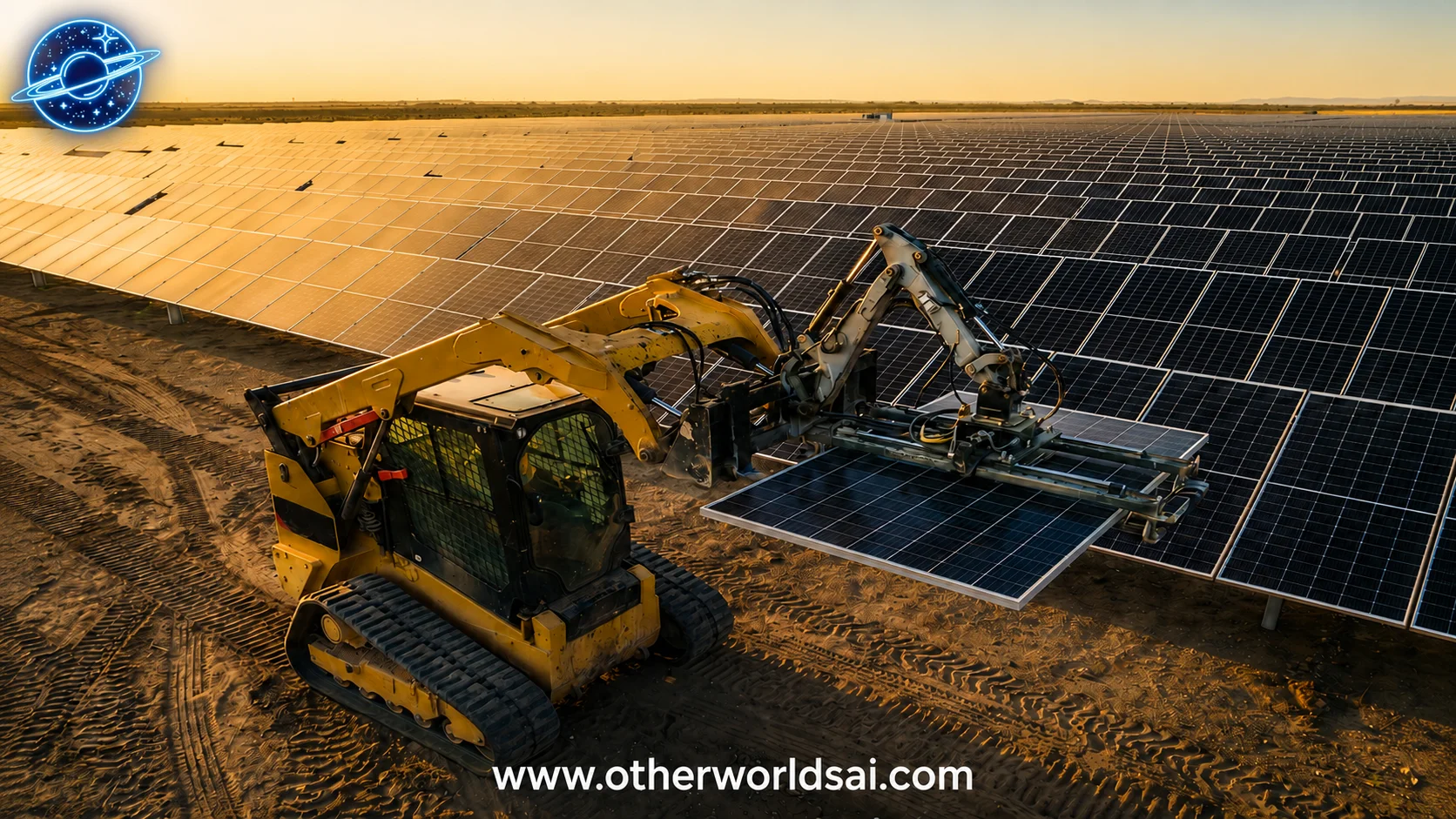
Agriculture saw increased use of autonomous machines for planting, monitoring, and harvesting with greater efficiency and sustainability.
-
Defense and security increasingly relied on unmanned ground and aerial robotic systems. This diversification strengthened robotics as a resilient industry, capable of performing across economic cycles.
Challenges That Shaped the Industry in 2025:
Despite rapid progress, 2025 also exposed challenges that shaped strategic thinking:
-
Safety, reliability, and regulatory concerns slowed deployment in public spaces.
-
Workforce displacement fears increased demand for retraining and upskilling.
-
High upfront costs still limited adoption for smaller enterprises.
However, these challenges fueled innovation rather than stagnation, pushing companies toward more affordable, flexible, and ethical solutions.
Looking Ahead: Robotics in 2026 — What to Expect:
1. Smarter, More Autonomous Robots:
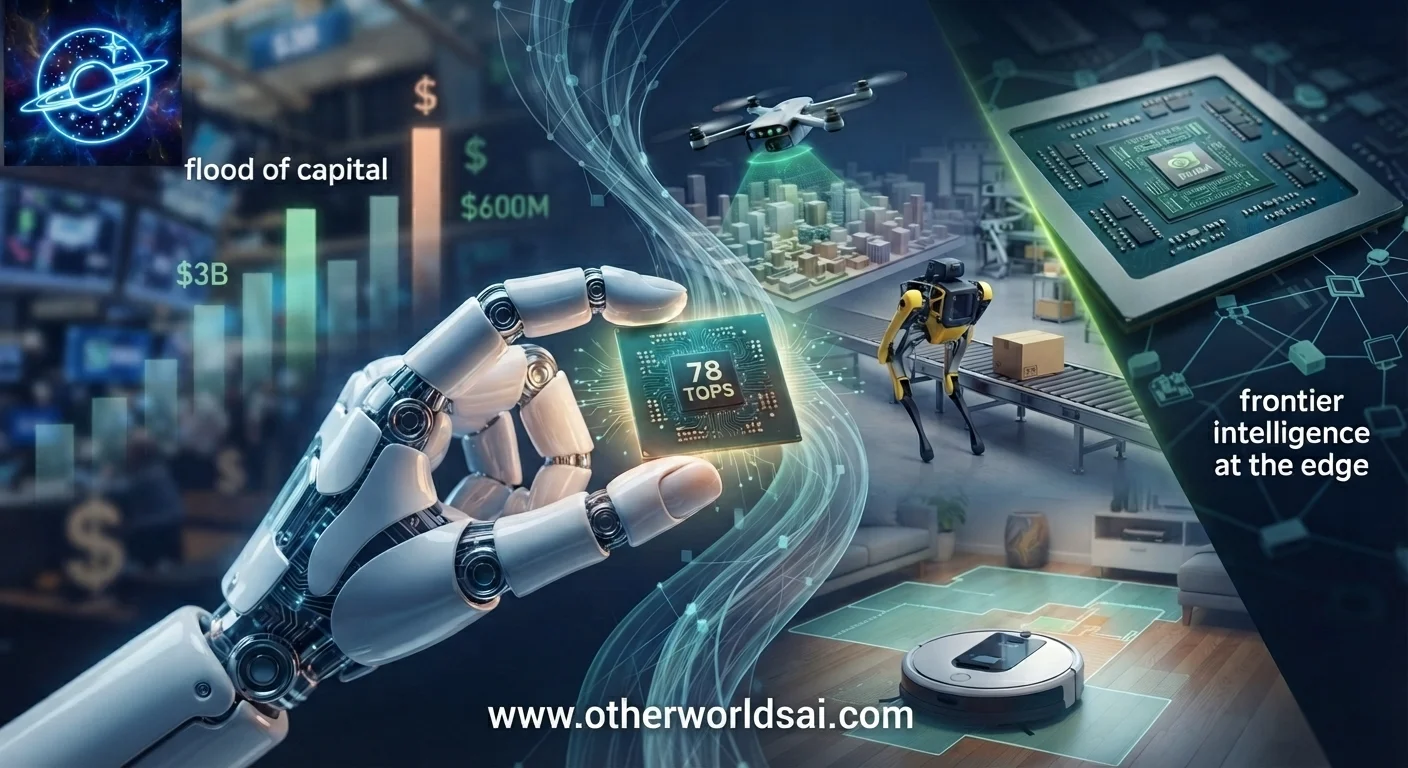
In 2026, robots are expected to become significantly more autonomous. Advances in edge computing will allow robots to process data locally, improving speed, privacy, and reliability. This will be critical for applications such as autonomous vehicles, healthcare robotics, and smart infrastructure.

Meta's Next Big Bet: This New App Lets You Build Games Simply by Typing a Prompt
2. Robotics as a Service (RaaS) Goes Mainstream:
For business leaders and investors, Robotics as a Service will be a defining trend. Subscription-based models will lower entry barriers, allowing companies to deploy robots without massive capital expenditure. This shift mirrors the cloud computing transformation and opens recurring revenue opportunities.
Support our research
Independent analysis fueled by you.
3. Human-Robot Collaboration Becomes Normalized:
Collaborative robots will move deeper into offices, hospitals, and retail spaces. Improved human-robot interaction, natural language understanding, and emotional awareness will make robots feel less like machines and more like assistants.
4. Investment and Consolidation Accelerate:
2026 is likely to see increased mergers, acquisitions, and strategic investments as major technology firms seek to control robotics platforms, AI models, and supply chains. Investors should expect long-term plays focused on foundational robotics software, sensors, and humanoid platforms.
5. Robotics Enters Everyday Life:
Perhaps most importantly for general readers, robotics in 2026 will feel more personal. From home assistants and eldercare robots to smart delivery systems, robots will increasingly become part of daily routines rather than distant industrial tools.

Move Over Nvidia: Anthropic and Samsung Team Up to Break the AI Chip Monopoly
Conclusion: A Turning Point for Robotics:
2025 will be remembered as the year robotics transitioned from promise to presence.
The progress achieved this year has set the stage for 2026 to become a period of acceleration, scale, and societal impact. For technology enthusiasts, robotics is becoming more visible and exciting. For industry leaders, it is a competitive advantage. And for investors, it represents one of the most compelling long-term growth opportunities in modern technology.
As we welcome 2026, one thing is clear: robotics is no longer about the future — it is about the now, and what comes next will redefine how humans and machines shape the world together.