
Japan’s answer to its worker shortage: An AI model for 10 million robots:
Inside Japan's $6.1 billion physical AI strategy — and what it signals for enterprise AI adoption worldwide:
Forget Chatbots: Inside Japan’s Massive National Plan for "Physical AI"
10M: AI-Powered Robots Targeted by 2040
$6.1B: Public Funding Over Five Years
18: Industries Targeted for Deployment
1: Japan Turns a Talking Point Into a Formal National Strategy:
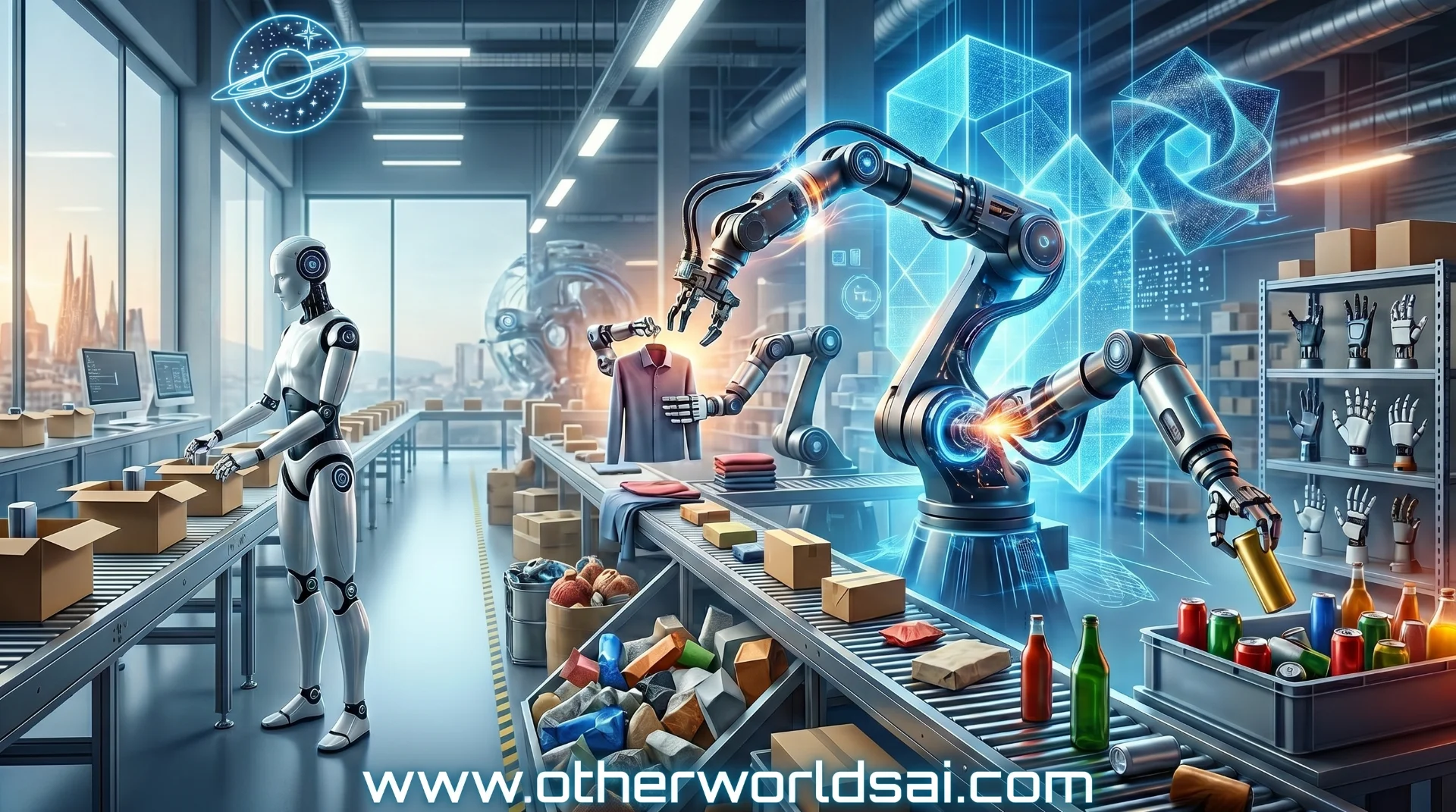
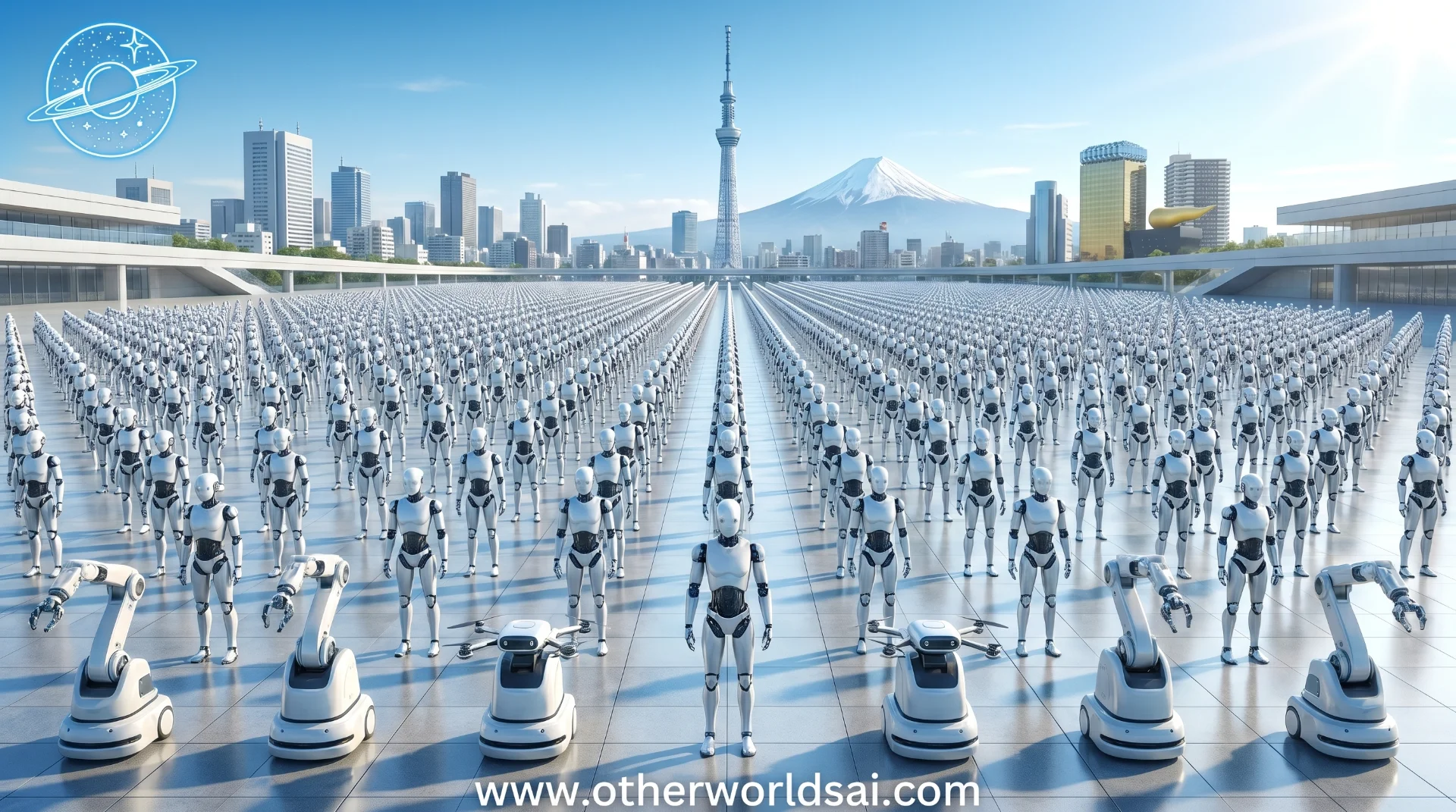
The numbers are no longer speculative. This week, Japan's government confirmed the figures that had been circulating for months: 10 million AI-powered robots deployed across 18 industries by 2040, backed by public funding of up to one trillion yen, or roughly $6.1 billion, spread over five years. Unlike a policy wish list, this is a project the government has formally commissioned, with a specific company already tasked to build it.
The builder is a name few outside Japan will recognize. METI and NEDO, Japan's industry ministry and its innovation agency, have commissioned Noetra alongside AIST, a national research lab, to develop what's being called a “physical AI” model as part of a national push running from fiscal 2026 through 2030.
2: Inside the Physical AI Model: What Noetra and AIST Are Building:
The goal is a model that understands the physical world. The project centers on a multimodal foundation model capable of reading language, images, video, and sensor data together, so a robot can interpret a room and act inside it rather than simply execute pre-programmed motions. An initial version is expected as early as this fiscal year, with annual upgrades to follow, trained on data volunteered by manufacturers and other participating companies.
The consortium reflects Japan's industrial strengths. Noetra is majority-owned by SoftBank, NEC, Sony Group, and Honda, with Fujitsu and Rakuten reportedly weighing whether to join. SoftBank engineers are working alongside researchers from Preferred Networks and AIST itself — a coalition built from companies that already manufacture the hardware this model needs to run on, from Honda's robotics to Sony's imaging sensors.
The plan will “vigorously promote social implementation” across sectors from restaurants to medical care, says Japan's industry minister. — Ryosei Akazawa, Japan's Minister of Economy, Trade and Industry
3: The Funding Structure: A Ceiling, Not a Guarantee:
The money comes with real conditions attached. This fiscal year's commission is reportedly worth around $2.3 billion on its own, drawn from a 387.3 billion yen allocation funded through GX Economy Transition Bonds. Only the first two years of funding are locked in.
After that, milestones decide what happens next. Funding is reviewed annually through a stage-gate process, giving Tokyo the ability to pull back if Noetra misses its targets. For a project of this size, that detail matters: the trillion-yen figure is a ceiling on ambition, not a guarantee of spend.
4: Why Robots, and Why Now:
The reasoning behind the push is straightforward. Japan's ageing population, combined with tight migration policy, has left large parts of the economy short of workers with no easy fix in sight. The plan targets sectors including restaurants, food manufacturing, and medical care — industries where labor shortages are already acute.
Japan is building on decades of robotics experience. The country has spent years developing robotics expertise in elder care, disaster response, manufacturing, and even the Fukushima Daiichi cleanup. This project attempts to turn that domestic experience into an exportable capability, not just a patch for local labor gaps.
The timing also lines up with South Korea's own robotics push, announced within a day of Japan's confirmation — a sign that physical AI is becoming the next front in a competition that has mostly played out over chatbots and cloud contracts until now.
5: What to Watch Next:
The real test isn't the 2040 target. It's the first stage-gate review. If Noetra hits its early milestones and ships a usable model this fiscal year, expect the investor list to grow well beyond the current four companies. If it doesn't, the funding structure gives Tokyo every reason to walk away quietly rather than prop up a stalled national project.
You Don't Need a National Budget to Solve a Labor Shortage With AI.
Japan is spending $6.1 billion to prove that AI can offset workforce gaps at national scale. The same principle applies at the business level right now: understaffed teams and repetitive workloads are exactly where AI delivers the fastest return.

Meta's Next Big Bet: This New App Lets You Build Games Simply by Typing a Prompt
Agent+ from Otherworlds AI helps businesses automate the work their teams don't have the headcount for — without waiting on a decade-long national rollout.
Support our research
Independent analysis fueled by you.
Explore the Agent+ Business AI Platform at otherworldsai.com