
Anthropic Acquires Stainless — The Developer Infrastructure Startup Powering OpenAI, Google, and Cloudflare:
Why the Next Phase of the AI War Will Be Won by Infrastructure, Not Smarter Models:
Introduction:
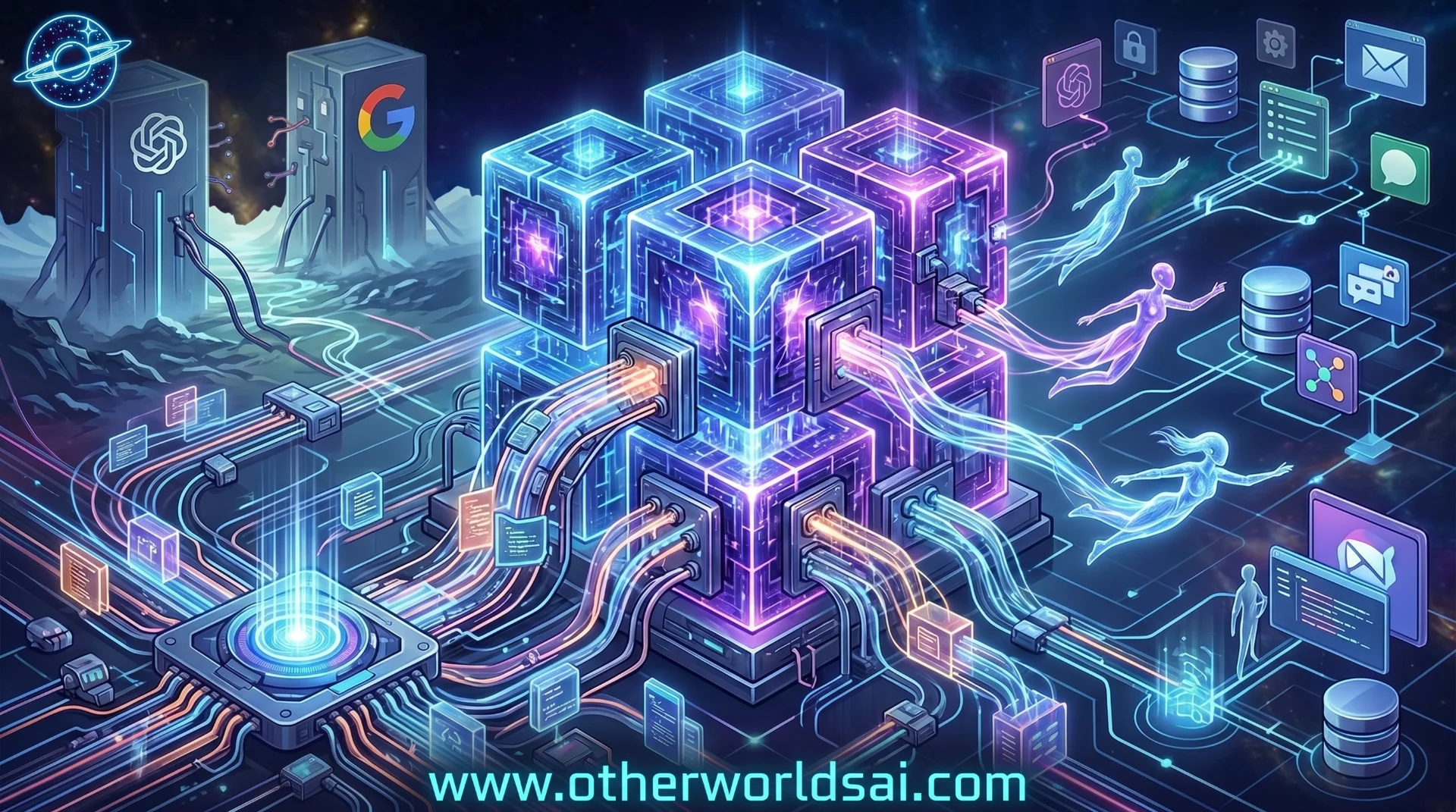
Anthropic has taken a major strategic step in the rapidly evolving artificial intelligence industry by acquiring Stainless, the developer infrastructure startup whose tools are widely used by leading technology companies including OpenAI, Google, Cloudflare, Runway, and Replicate.
The announcement immediately captured attention across the AI sector because Stainless was not simply another startup building productivity tools. Instead, it occupied a highly important layer of modern AI infrastructure — the developer ecosystem that allows applications, agents, and AI systems to connect with external software through APIs.
Although Anthropic did not officially reveal the financial terms of the acquisition, reports suggest the deal may exceed $300 million. That valuation reflects how valuable developer infrastructure has become in the race to dominate artificial intelligence.
The acquisition also signals a broader transformation happening across the technology industry. AI competition is no longer focused solely on creating the smartest language models. Companies are now competing to control the entire stack — including APIs, integrations, deployment systems, developer tooling, and autonomous agent ecosystems.
For Anthropic, acquiring Stainless strengthens its long-term position as not just an AI model company, but as a platform capable of supporting the next generation of intelligent software systems.
The Rise of Stainless:
Founded in 2022 by former Stripe engineer Alex Rattray, Stainless quickly established itself as one of the most respected developer infrastructure startups in the AI industry. The company focused on solving a frustrating and expensive problem faced by software engineering teams: maintaining Software Development Kits, commonly known as SDKs. These libraries allow developers to connect applications with APIs and external services.
Traditionally, maintaining SDKs required significant manual engineering work. Whenever APIs changed, companies needed to update multiple programming language libraries individually. This process consumed engineering resources, created delays, and often introduced compatibility problems.
Stainless transformed that workflow by automating the process entirely. Its platform could take API specifications and automatically generate production-ready SDKs across multiple programming languages, including Python, TypeScript, Kotlin, Java, and Go.
This innovation dramatically reduced operational complexity for AI companies whose APIs evolve rapidly as they release new models, features, tools, and agent capabilities.
Why Stainless Became Essential for AI Companies:
As generative AI products expanded across industries, companies required faster and more reliable methods for developers to integrate AI capabilities into their applications. Stainless became increasingly valuable because it simplified that integration process. Instead of manually rebuilding SDKs every time APIs changed, companies could rely on automated systems that continuously synchronized updates.
This provided several critical advantages for AI companies:
-
Faster developer onboarding.
-
Reduced maintenance costs.
-
More stable integrations.
-
Multi-language support.
-
Improved scalability for enterprise customers.
Major AI and cloud companies adopted Stainless because of these efficiencies. OpenAI, Google, Cloudflare, Anthropic, Replicate, and Runway all reportedly utilized Stainless infrastructure to support developer ecosystems and maintain reliable API integrations. In many ways, Stainless became a hidden but foundational layer of modern AI infrastructure. While consumers focused on AI chatbots and image generators, platforms like Stainless quietly enabled the backend systems powering those experiences.
Anthropic’s Strategic Motivation:
Anthropic’s decision to acquire Stainless appears highly strategic rather than opportunistic. The company has been rapidly expanding the capabilities of Claude while simultaneously positioning itself as a major platform provider for enterprise AI. By acquiring Stainless, Anthropic gains direct control over critical developer infrastructure that was previously shared among multiple competing AI labs.
The company confirmed that it will discontinue hosted Stainless products, including the widely used SDK generation platform. Existing customers will retain ownership of previously generated SDKs and may continue modifying them independently, but future hosted services will no longer remain available to competitors.
This creates a significant competitive shift in the AI industry. Rival companies that depended on Stainless infrastructure may now need to:
-
Build internal SDK automation systems.
-
Find alternative developer infrastructure vendors.
-
Increase investment in engineering operations.
-
Reorganize portions of their API ecosystems.
For Anthropic, however, the acquisition delivers a major operational advantage. The company can now optimize SDK infrastructure directly around Claude, enterprise APIs, and future AI agent frameworks.
The Growing Importance of AI Agents:
One of the most important reasons this acquisition matters involves the rise of AI agents. Modern AI systems are evolving beyond simple chat interfaces into autonomous assistants capable of interacting with external software platforms.
These AI agents rely heavily on APIs and integrations to complete tasks such as:
-
Scheduling meetings.
-
Managing workflows.
-
Accessing databases.
-
Communicating with external applications.
-
Executing software actions automatically.
Maintaining reliable integrations across constantly changing APIs is incredibly difficult at scale. Stainless solved this problem through automated SDK generation and synchronization systems.
That makes the company especially valuable in the emerging agent economy. As Anthropic continues developing Claude into a more capable agentic platform, owning the infrastructure layer that powers software connectivity becomes strategically critical.
Alex Rattray’s Vision and Statement:
Stainless founder Alex Rattray described the acquisition as a natural progression of the long-standing relationship between Stainless and Anthropic.
In Anthropic’s official announcement, Rattray emphasized the importance of developer experience and explained why the mission aligned closely with Anthropic’s future direction.
“I started Stainless because SDKs deserve as much care as the APIs they wrap.”
Rattray also praised the developer ecosystem emerging around Claude, stating that watching developers build sophisticated applications using Anthropic’s platform made the partnership feel like an obvious next step.
“We have been watching what developers have built on Claude over the last few years, which made bringing our teams together an easy decision.”
Anthropic’s Surprise Double Launch Directly Targets OpenAI and Google’s AI Dominance
His comments reflect a larger trend within AI infrastructure companies: developer ecosystems are becoming just as important as raw model performance.
The Bigger Infrastructure War in AI:
The acquisition of Stainless highlights a major evolution in the artificial intelligence industry. The competitive battlefield is expanding far beyond model intelligence benchmarks.
Today’s AI race increasingly revolves around ownership of infrastructure layers, including:
-
APIs.
-
Cloud integrations.
-
Agent frameworks.
-
Developer ecosystems.
-
Deployment platforms.
-
Enterprise tooling.
-
Workflow automation systems.
Companies that control these layers gain enormous strategic leverage. They can create stronger developer loyalty, improve enterprise adoption, accelerate integrations, and establish long-term platform dominance.
Anthropic’s acquisition demonstrates that infrastructure startups are now considered highly strategic assets.In some cases, they may become just as valuable as model research itself.
The move also puts pressure on competitors. OpenAI, Google, and other AI labs may now accelerate investments in proprietary developer tooling to avoid relying on third-party infrastructure providers.
What This Means for Developers and Enterprises:
For developers, the acquisition introduces both opportunities and uncertainties. Anthropic will likely improve SDK experiences and integration capabilities within its own ecosystem.
However, companies that previously relied on Stainless may face new challenges. Some organizations could experience disruption while searching for alternative infrastructure solutions.
Enterprise customers are also paying close attention to these developments. Businesses adopting AI systems increasingly prioritize:
- Stability.
- API reliability.
- Integration speed.
- Security.
- Multi-platform compatibility.
Owning infrastructure internally allows Anthropic to optimize all of these areas more aggressively. That could strengthen Claude’s appeal among enterprise customers seeking dependable AI deployment platforms. The acquisition therefore represents more than a backend engineering decision. It may influence future enterprise adoption trends across the broader AI industry.
Conclusion:
Anthropic’s acquisition of Stainless represents one of the clearest examples yet of how the AI industry is maturing. The future of artificial intelligence will not be determined solely by who builds the smartest model.
Instead, long-term dominance may depend on who controls the infrastructure connecting AI systems to the real world.APIs, SDKs, integrations, workflow automation, and agent connectivity are rapidly becoming the backbone of the AI economy. By bringing Stainless in-house, Anthropic strengthens its ability to build a full-stack AI ecosystem capable of supporting developers, enterprises, and autonomous AI agents at scale.
The deal also signals a powerful message to the rest of the industry:in the next phase of AI competition, infrastructure ownership could become just as important as intelligence itself.
Support our research
Independent analysis fueled by you.