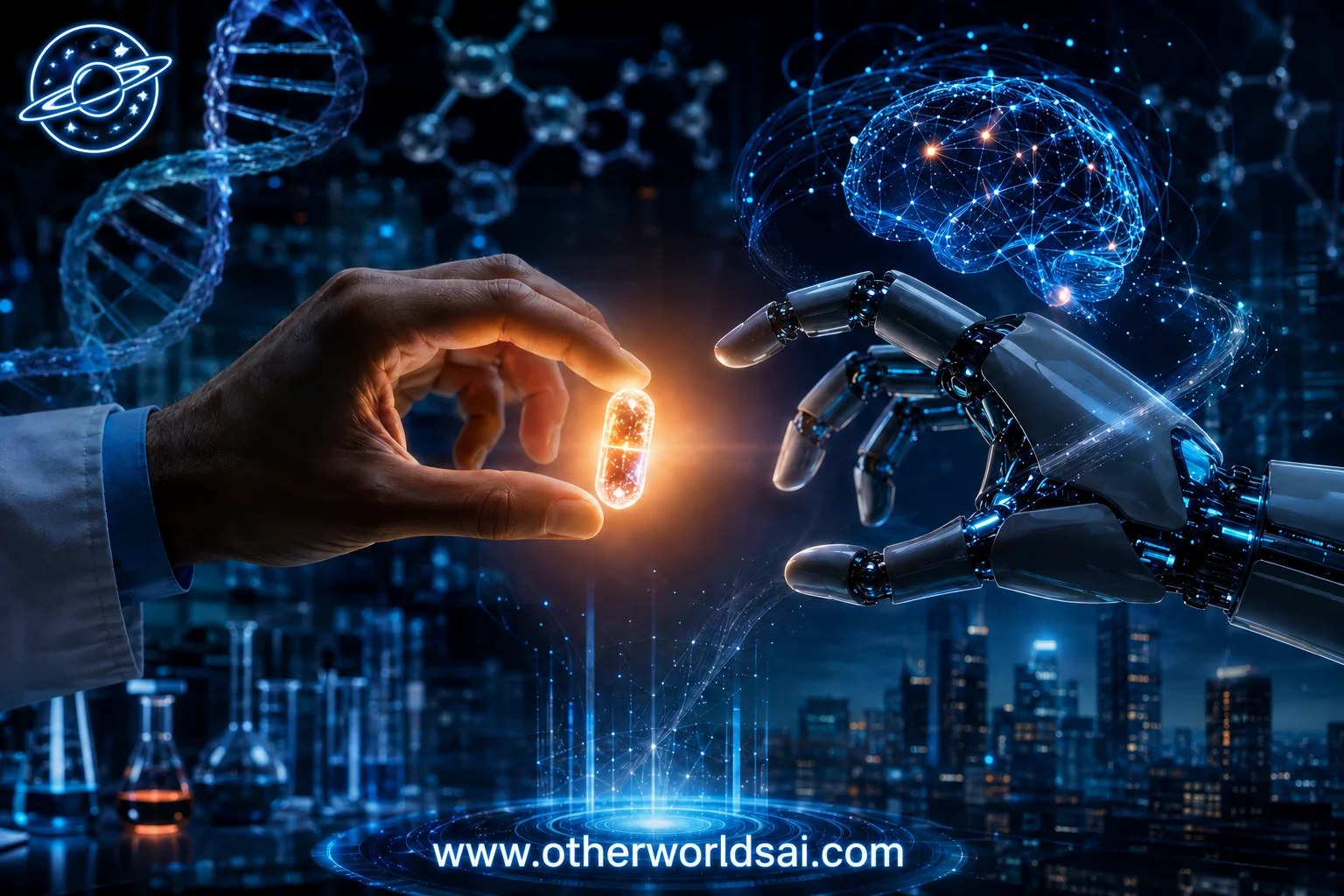

Takeda Signs $600M AI Drug Discovery Deal With Insilico Medicine:
Inside the Latest Pharma-AI Partnership Reshaping Early-Stage Drug Discovery.
$600M: TOTAL POTENTIAL DEAL VALUE
$60M: UPFRONT AND NEAR-TERM FEES
$7B+: INSILICO DEALS SIGNED SINCE JAN. 2026
1: Inside the Takeda-Insilico AI Drug Discovery Deal:
Japanese pharmaceutical giant Takeda is turning to artificial intelligence to speed up one of the slowest, most expensive parts of medicine: finding new drug candidates in the first place.
Takeda has entered a strategic collaboration with Hong Kong-based Insilico Medicine to apply AI across early-stage drug discovery in the Japanese pharmaceutical company's therapeutic areas. Neither company has disclosed which specific disease areas or targets the partnership will cover.
Under the agreement, Insilico will lead the AI-driven discovery process, using its platform to identify drug candidates that meet Takeda's predefined scientific and development criteria. Takeda, in turn, will take over responsibility for advancing any selected candidates through clinical development. Takeda also secures exclusive worldwide rights to develop, manufacture, and commercialize any novel therapeutics that emerge from the collaboration.
2: What's Actually Being Licensed: The Pharma.AI Platform:
The deal gives Takeda access to a three-part AI toolkit that spans everything from identifying a biological target to predicting how a drug candidate will perform in clinical trials.
**Insilico's Pharma.**AI suite is built around three named tools: PandaOmics for biological target discovery, Chemistry42 for generating new small molecules from scratch, and InClinico for forecasting how likely a candidate is to successfully transition through clinical trials.
● Deal structure: about $60 million in project initiation fees, near-term payments, and early milestones.
● Total potential value: approximately $600 million if preclinical, clinical, commercial, and sales milestones are all achieved.
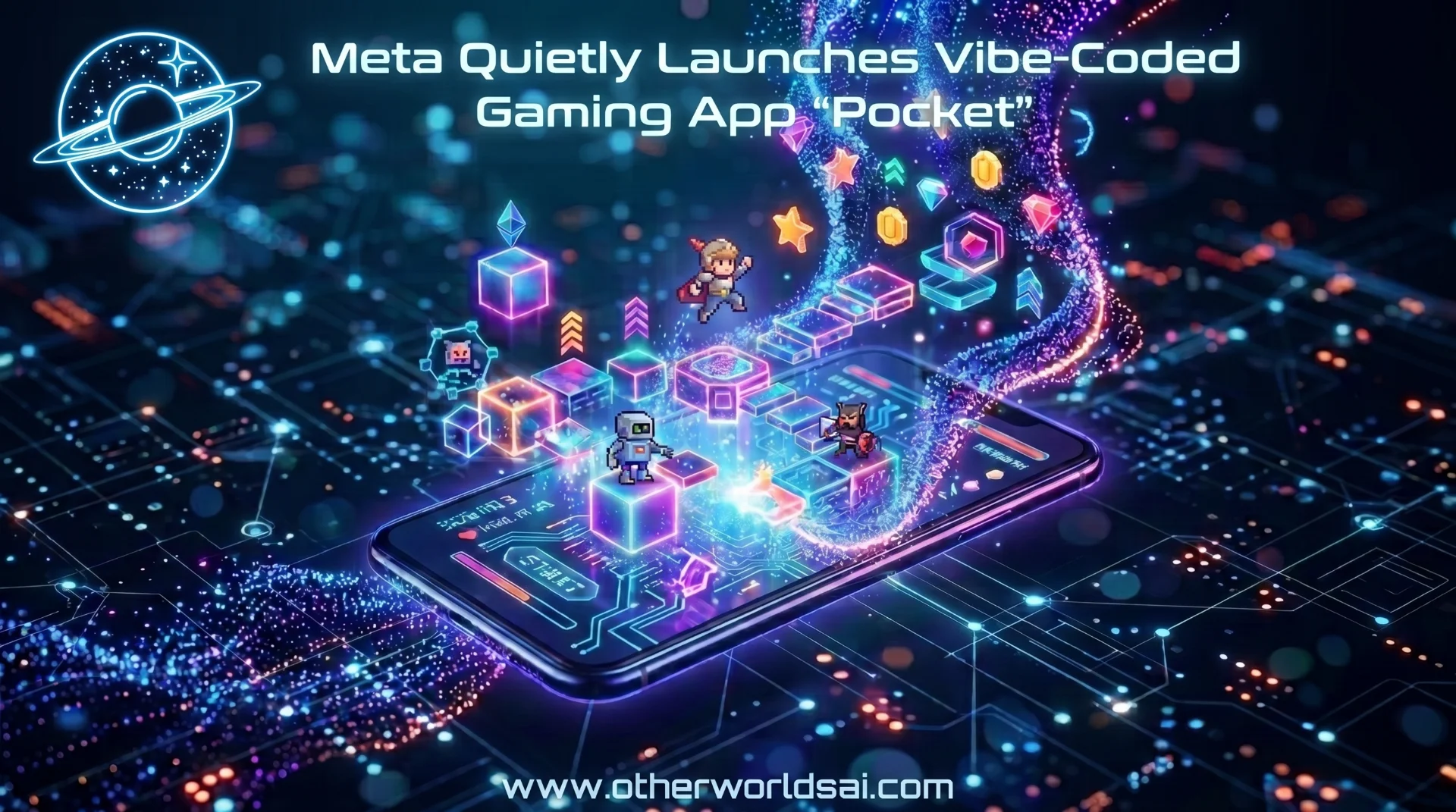
Meta's Next Big Bet: This New App Lets You Build Games Simply by Typing a Prompt
● Additional upside: Insilico is also eligible for tiered royalties on any future product sales.
Proceeds from the deal will support early-stage research and development under the collaboration program.
— Alex Zhavoronkov, Founder and CEO, Insilico Medicine
Support our research
Independent analysis fueled by you.
Zhavoronkov also noted that the pace of later-stage development will ultimately depend on Takeda's own clinical timelines and the coordinated work between both organizations.
Section 3: Not Takeda's First AI Bet — and Not Insilico's Biggest Deal Either
This agreement is part of a much larger pattern: pharmaceutical companies are placing increasingly large bets on AI-native drug discovery platforms, and Insilico in particular has become a preferred partner.
The Insilico agreement follows an earlier AI drug-discovery deal Takeda struck this year. In February, Takeda entered a multi-year collaboration with Iambic worth more than $1.7 billion to apply AI in designing small-molecule drugs for cancer and gastrointestinal diseases, leaning on Iambic's NeuralPLexer model to predict how drug molecules bind to proteins.
Insilico itself has racked up a striking run of partnerships. Last month, it announced a collaboration with South Korea's SK Biopharmaceuticals focused on neuroimmune disorders, worth up to $18 million upfront with a total potential value exceeding $2.5 billion.
In March, Eli Lilly expanded its own AI-powered drug discovery collaboration with Insilico in a deal worth up to $2.75 billion, gaining exclusive worldwide rights to several oral treatments then in preclinical development. Altogether, Insilico says it has signed collaboration agreements worth a combined potential value of more than $7 billion since the start of the year.
Insilico has also proven its platform can move beyond partnerships and into its own pipeline: rentosertib, a small-molecule TNIK inhibitor for idiopathic pulmonary fibrosis discovered using its AI tools, has already been evaluated in a Phase 2a randomized clinical trial.
4: Why Big Pharma Is Racing to Buy Into AI Discovery:
The Takeda-Insilico deal reflects a much bigger industry shift: AI is quickly becoming standard infrastructure for pharmaceutical R&D, not just an experimental side project. Chris Arendt, chief scientific officer and head of research at Takeda, said the agreement pairs Takeda's disease biology expertise with Insilico's AI-enabled discovery capabilities, and noted that Takeda is separately integrating automation, robotics, and generative AI more broadly into its own discovery operations.
The momentum extends well beyond a single company. Chinese drugmakers alone signed 157 out-licensing deals worth a combined $135.7 billion in 2025, according to data from China's National Medical Products Administration cited by the South China Morning Post. Markets have taken notice of Insilico specifically: its Hong Kong-listed shares rose 13.5% following the announcement of the Takeda agreement.'
You Don't Need a Pharma R&D Budget to Put AI to Work.
Takeda isn't just buying molecules — it's buying a platform that turns raw research data into structured, actionable predictions faster than any human team could alone.
That's the same principle behind Agent+: point it at your business's data and workflows, and conversational AI triggers the specialized process on the other end, whether that's research, reporting, or customer operations. You don't need a $600 million deal to get AI working at the core of how your business makes decisions.
Explore Agent+ Business AI Platform — starting at $297/month — at otherworldsai.com