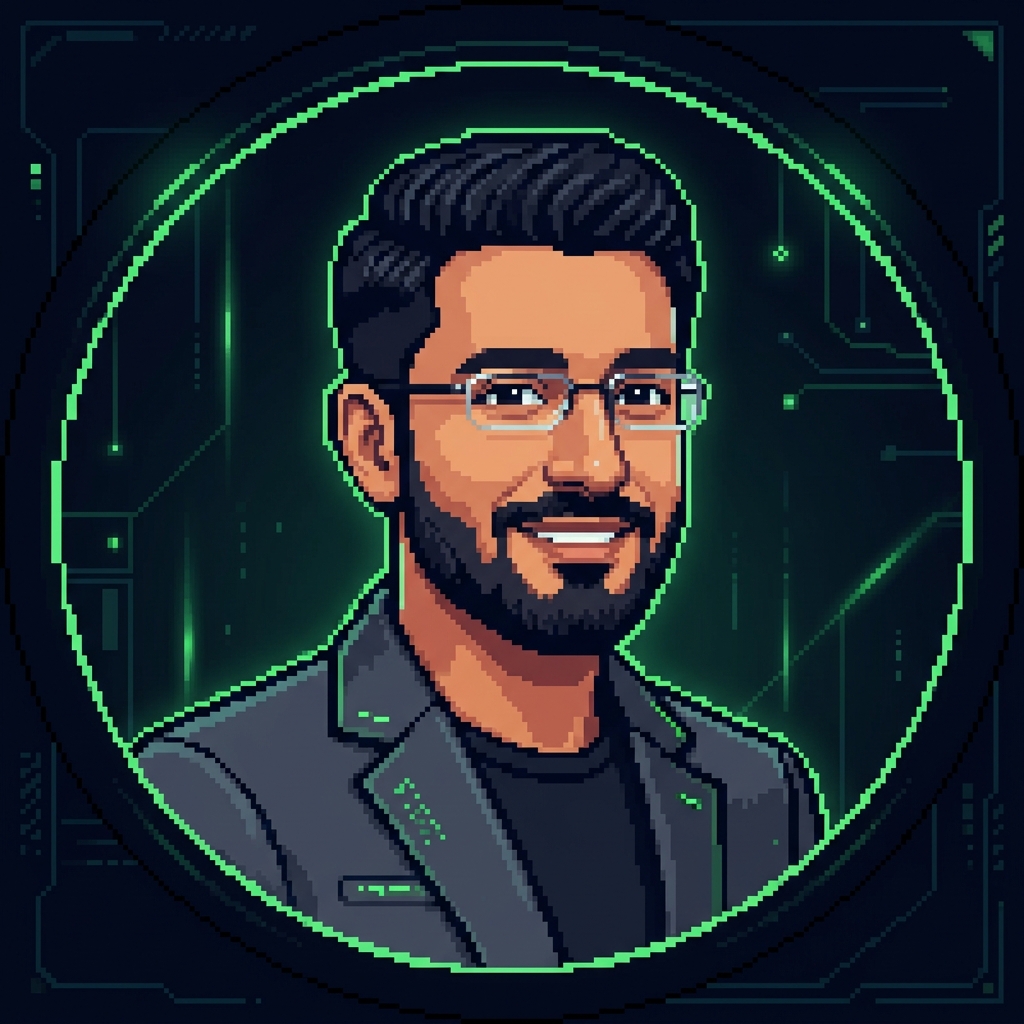
Dario Amodei Clarifies Anthropic's Stance on Open-Weight AI Models:
Anthropic's CEO pushes back on claims he wants open models banned — while warning that the real risk lies in who controls the most capable ones.
Anthropic CEO Calls Safe Open-Source AI a "Public Good" — With One Big Catch.
No Ban: Anthropic has never advocated for banning open-weight models
Distillation: Amodei wants a formal crackdown on model distillation by rivals
Global Testing: Proposed safety testing would apply worldwide, including China
1: Setting the Record Straight:
A rumor took hold this week that Anthropic quietly supports a government ban on open-weight AI models, particularly those coming out of China. CEO Dario Amodei used a company blog post on Monday to shut that down directly, stating plainly that Anthropic has never pushed for such a ban.
The clarification followed an open letter published the previous Friday and shared publicly by Nvidia founder Jensen Huang, in which Nvidia, Hugging Face, Meta, Microsoft, Mistral, and other major AI players urged policymakers not to rush into broad restrictions on open-weight models. The letter didn't name China outright, but it landed squarely in the middle of an industry debate over whether Chinese labs are gaining ground by copying the capabilities of leading U.S. models.
2: A Public Good, With a Catch:
Amodei's actual position is more nuanced than either side of the debate suggests. He described open-weight models that lack dangerous capabilities as a genuine public good — cheap to run and valuable to businesses, developers, and researchers.
His concern isn't openness itself. It's the possibility that an authoritarian government, with the Chinese Communist Party as the most capable example he cited, could use frontier AI to lock in military superiority or suppress its own population. He also pointed to biological attack risk as a growing worry alongside cybersecurity threats, arguing that open models are harder to monitor or apply guardrails to once they're released — and, citing a UK AI Security Institute report, impossible to pull back once they're out.
Amodei's own framing: safe open-weight models cost little beyond compute and hand real value to the businesses and developers who build on them — the danger only shows up at the frontier, in the hands of the wrong actor.
3: What This Means for Businesses Betting on AI:
Amodei also voiced support for a global model safety testing body — one that smaller AI players and startups would be exempt from, but that even China would need to join for it to work. Whether or not that consensus materializes, the underlying message for any business building on AI is the same: capability without accountability is where the real risk lives, whether that's a nation-state or a company bolting an unmonitored model onto its customer-facing systems.\
That's the same principle behind how we built Agent+. Instead of wiring your business into a raw, ungoverned model, Agent+ gives you a managed AI agent — built on Google Opal automated workflows, with clear oversight over what it can access and do — so you get the productivity of AI without inheriting the guardrail problem regulators and researchers are still fighting about at the frontier.
Get AI Working for Your Business — With Guardrails Built In
Agent+ gives you a managed, governed AI agent for $297/month, powered by Google Opal workflows. Need something built to your exact systems? Ask us about a custom enterprise AI build.
Visit otherworldsai.com to get started.
Support our research
Independent analysis fueled by you.