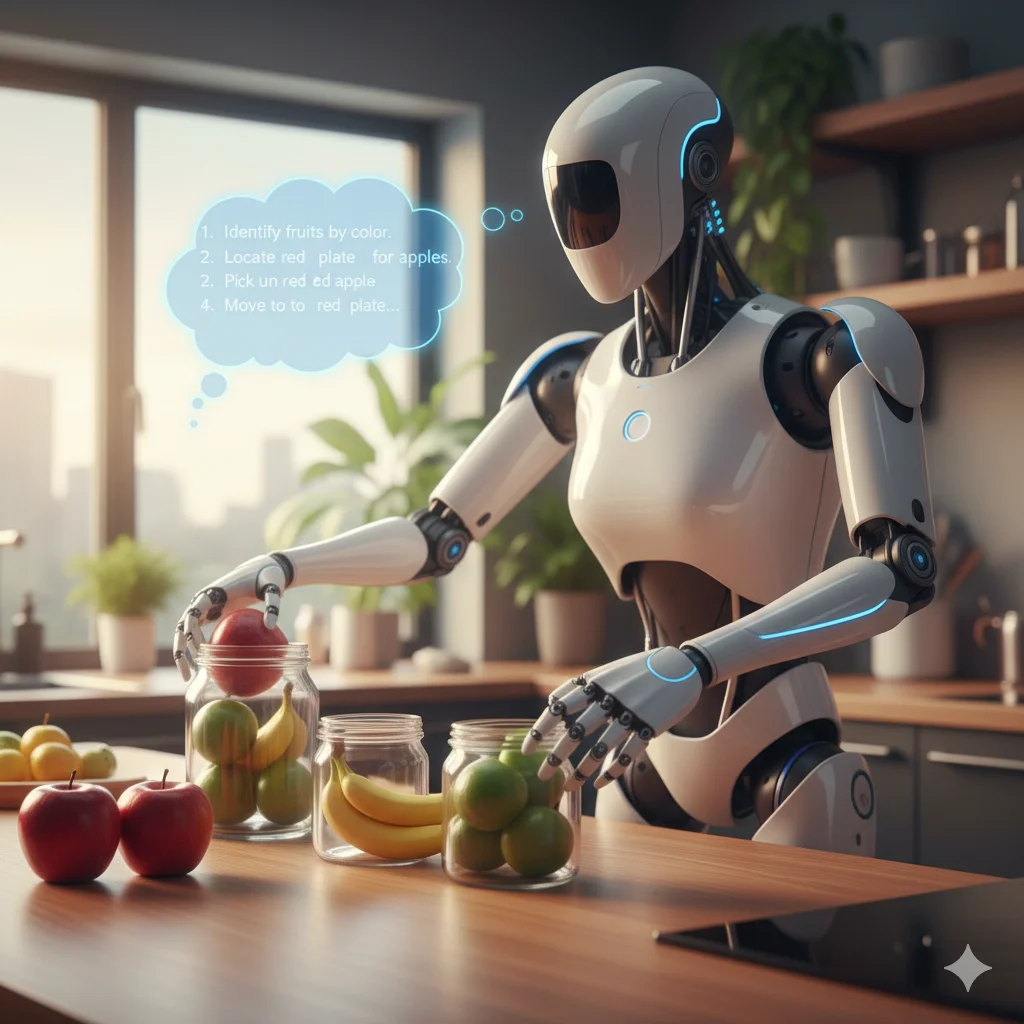
**Generative AI & Multimodal** intelligence is transforming how humans interact with digital systems, moving beyond text-based chat to integrated visual, auditory, and spatial reasoning. At Otherworlds, we track the evolution of foundation models that can synthesize high-fidelity images, generate cinematic video (like OpenAI's Sora), and engage in real-time vocal reasoning. This explosion in creative and functional capability is not just about entertainment; it is about redefining communication, design, and scientific visualization.
The move from unimodal to multimodal systems allows AI to "see" the world like humans do. This has profound implications for industries like architecture, fashion, and cinema, where the ability to iterate on complex visual concepts using AI-accelerated workflows can reduce production timelines from months to days. We explore the latest breakthroughs in Stable Diffusion, Midjourney, and proprietary models, providing insights into prompt engineering for visual consistency, style transfer, and the integration of 3D asset generation.
Multimodality also introduces new technical challenges. Processing and aligning diverse data streams—such as video and associated sensor data—requires massive compute and highly efficient architectures. We analyze how leading labs are overcoming the "binding problem," ensuring that AI models can correctly associate visual cues with text descriptions. For the enterprise, this means tools that can analyze security footage, interpret medical imaging with higher accuracy than human specialists, and provide real-time translation for global business meetings.
As the generative landscape matures, the focus is shifting toward "controllability." In this category, we discuss the development of ControlNet, IP-Adapters, and other techniques that allow professionals to guide GenAI outputs with surgical precision. Our exploration of generative techniques ensures that designers and engineers aren't just using AI to generate random ideas, but are using it as a professional-grade instrument for precise creative execution.